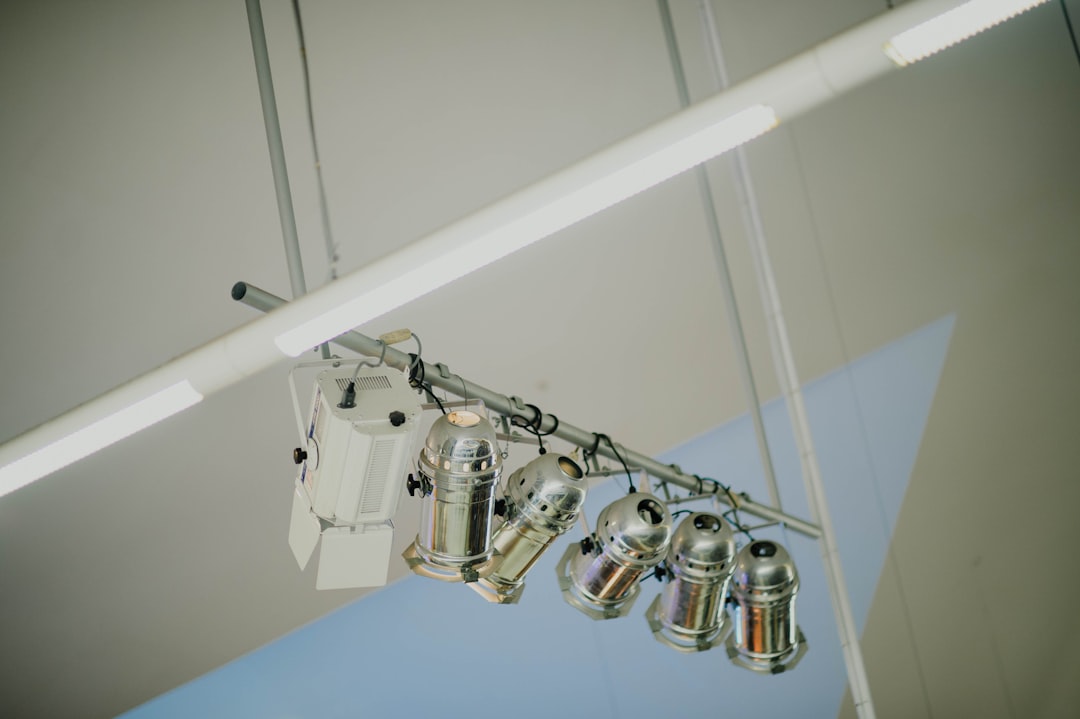
Adjustable track lighting can indeed make a big difference in your art studio. It offers flexibility you just don’t get with fixed light sources, allowing you to direct light precisely where you need it most, whether you’re working on a detailed section of a painting, illuminating a sculpture, or showcasing finished pieces. This adaptability is key for artists who often shift their focus and the types of projects they undertake.
Think about how you work. You might be painting in one corner one day, then sculpting in another the next. A fixed overhead light just blasts light everywhere, often creating shadows in the very places you need good illumination. Track lighting, on the other hand, lets you aim individual lights. This means you can brighten your easel, highlight a specific part of a canvas, or even illuminate a reference photo without having to rearrange your entire studio layout. It’s about taking control of your lighting environment.
Flexibility and Directional Control
This is arguably the biggest advantage. With track lighting, you can literally point each light head in a different direction.
- Targeted Illumination: Need more light on that dark shadow you’re blending? Just angle the light.
- Highlighting Specific Areas: Great for showcasing a finished piece temporarily or focusing on a particular detail you’re proud of.
- Adapting to Different Media: The light needs for painting are different from sculpting or drafting. Track lighting adapts easily.
Reducing Shadows and Glare
Unwanted shadows and glare are frustrating. They can distort your perception of color, make details hard to see, and even cause eye strain over time.
- Multiple Light Sources: Spreading your light across several track heads from different angles helps to fill in shadows.
- Adjustable Angles: You can experiment with light angles to minimize shadows cast by your hand or tools.
- Soften Harsh Light: While not inherent to track lighting, combining it with dimmers and appropriate bulb types can significantly reduce glare.
Aesthetic Appeal and Studio Atmosphere
While practicality is paramount, the look of your studio matters too. A well-lit space can feel more inspiring and professional.
- Clean and Uncluttered: Without multiple cords and lamps cluttering your workspace, track lighting offers a streamlined look.
- Modern and Functional: It has a contemporary feel that can elevate the overall aesthetic of your studio.
- Professional Presentation: If clients ever visit, good lighting makes your work look its best.
Choosing the Right Track Lighting System
There are a few basic types of track systems, and understanding the differences can save you headaches later. It’s not overly complicated, but a quick overview helps.
Single Circuit vs. Dual Circuit
This refers to how the lights on the track are powered.
- Single Circuit: All the lights on the track are controlled by one switch. Turn the switch on, all lights come on. Turn it off, all lights go off. Simple. If you only need broad, uniform lighting or plan to use an external dimmer for the whole track, this is fine.
- Dual Circuit (or Multi-Circuit): This is where it gets more interesting for artists. A dual circuit track allows you to control two separate groups of lights on the same track with two different switches. Imagine having some lights on one switch for general studio illumination, and others on a second switch specifically aimed at your current project. This offers greater granular control without needing multiple track runs. For example, you could have a warmer light on one circuit for ambient lighting and a cooler, brighter light on another for detailed work.
Track Styles and Installation
Tracks come in different styles that primarily affect how they look and how easy they are to install or expand.
- “H” Type (Halo Compatible): This is a very common standard. It generally features two parallel electrical conductors. “H” type fixtures can slide into the track and then lock into place. It’s a good all-rounder for most studio setups.
- “L” Type (Lightolier Compatible): Similar to “H” type but with a different connector profile. If you have existing Lightolier fixtures, you’d choose this. Compatibility is key here.
- “J” Type (Juno Compatible): Another common standard, often with a slightly different track channel design than “H” or “L”. Again, compatibility with any existing fixtures or desired new fixtures is important.
- Mini-Track: Smaller in profile, good for less obtrusive lighting or smaller spaces. Might have fewer fixture options, but if discreetness is a priority, worth considering.
- Surface Mount: The track mounts directly to the ceiling or wall. Most common for studios.
- Recessed Mount: The track is installed into the ceiling, creating a very flush, hidden look. More involved installation, usually for new construction or significant renovations.
- Pendant Mount: The track hangs down from the ceiling on rods or cables, useful for high ceilings or to bring light closer to the working area.
Luminaire (Light Head) Options
The light heads, or luminaires, are where the magic happens. These are the individual lights that attach to the track and can be moved and aimed.
Bulb Type and Color Temperature
This is crucial for artists. The type of bulb and its color temperature will directly impact how you perceive your colors.
- LED Bulbs:
- Pros: Energy-efficient, long lifespan, cool to the touch (important near artwork), available in a wide range of color temperatures and brightness levels. Dimmable options are readily available.
- Cons: Higher upfront cost, but this is usually offset by energy savings and longevity.
- Recommendation: Generally the best choice for artists due to their efficiency, cool operation, and versatility in color temperature.
- Halogen Bulbs:
- Pros: Excellent color rendering (often close to daylight), produce a crisp, bright light.
- Cons: Get very hot, consume more energy, shorter lifespan than LED, higher UV output (can be damaging to some sensitive artwork over long periods).
- Recommendation: Use with caution. While excellent for color, the heat and UV can be problematic in a close studio environment. If you want halogen, ensure good ventilation and distance from delicate pieces.
- Color Temperature (Kelvin – K):
- 2700K-3000K (Warm White): Similar to incandescent bulbs, has a yellowish tint. Good for creating a cozy, warm ambiance, but not ideal for accurate color perception in a working space.
- 3500K-4000K (Neutral White / Cool White): A good balanced light that’s often recommended for offices and general task lighting. Less yellow than warm white, but not truly daylight.
- 5000K-6500K (Daylight / Cool Daylight): Mimics natural daylight. This is often the preferred range for artists because it provides the most accurate color rendition of your artwork. Keep in mind that outdoor daylight itself varies throughout the day.
- Recommendation: Aim for bulbs in the 5000K to 6500K range for your primary working lights to ensure color accuracy. You might use warmer lights for ambient, non-working areas of the studio.
Beam Angle
This describes how wide or narrow the light spread is from the bulb.
- Spotlight (Narrow Beam Angle – e.g., 10-25 degrees): Concentrates light on a small, specific area. Great for highlighting a particular detail or a small sculpture.
- Floodlight (Wide Beam Angle – e.g., 40-60+ degrees): Spreads light over a larger area. Useful for general illumination of your workspace or a larger canvas.
- Recommendation: A mix of beam angles is often the most practical. Use floodlights for general illumination and spotlights for focused work or highlighting. Some adjustable fixtures even allow you to change the beam angle.
Dimming Capabilities
Dimming is a highly underrated feature for an art studio.
- Adjust Brightness: Sometimes you need full brightness for intricate work; other times, you might want to dim the lights to evaluate your work under different conditions or when taking a break.
- Energy Saving: Dimming reduces energy consumption.
- Mood Setting: While not strictly about work, adjusting brightness can contribute to a more comfortable and adaptable studio environment.
- Recommendation: Look for “dimmable” bulbs and ensure your dimmer switch is compatible with the bulb type (especially important for LEDs).
Placement and Layout Strategies
Where you put the track and how you arrange the lights makes a significant difference.
General Studio Illumination
Start with the basics – making sure the whole studio is adequately lit, even before you add task lighting.
- Central Placement: A good starting point is to run tracks across the ceiling, perhaps in a grid or parallel lines, to provide even, overhead light.
- Diffuse Light: Use light heads with wider beam angles or diffusers to avoid harsh shadows when providing general light.
- Consider Walls: If your studio is long and narrow, a single track down the length might be more effective than across the width.
Task-Specific Lighting
This is where track lighting truly shines for artists – directing light to your working areas.
- Over Easels/Workbenches: Position a track directly over your primary work areas. You can then aim individual lights exactly where you need them.
- Multiple Angles: Instead of one light aggressively blasting your canvas, use two or three lights from different angles to reduce shadows and create a more even illumination.
- Adjust as You Work: The beauty of track lighting is you can quickly slide and re-aim a light if you change your working position or move to a different art piece.
Display and Accent Lighting
If you showcase your work in your studio, track lighting is perfect for making pieces pop.
- Highlighting Finished Art: Aim a spotlight at a finished painting or sculpture to draw attention to it.
- Wall Washing: Position lights to “wash” a wall with light, creating a gallery-like effect, particularly useful if you display framed work.
- Flexible Display: As you change out displayed pieces, you can easily reposition lights to suit the new arrangement.
Maintenance and Upgrades
Track lighting is generally low maintenance, but a few simple things can keep it performing well.
Cleaning and Bulb Replacement
This is straightforward and similar to any other light fixture.
- Dust Regularly: Dust can accumulate on light heads and bulbs, reducing their efficiency and brightness. A quick wipe with a dry cloth periodically is usually enough.
- Safe Bulb Replacement: Always turn off the power at the circuit breaker before replacing bulbs. Allow hot bulbs to cool down before handling.
- Match Bulb Specifications: When replacing bulbs, ensure the new bulb’s wattage, voltage, and specifically, dimmability are compatible with your fixture and dimmer switch.
Adding or Moving Fixtures
One of the great advantages of track lighting is its modularity.
- Easy Expansion: Most track systems allow you to add more light heads to an existing track as long as you don’t exceed the track’s maximum wattage capacity (check your system’s specifications).
- Relocating Lights: Simply slide the light head along the track to a new position and re-aim. No tools usually required for this.
- New Adapters: If you find you need a very specific type of light that isn’t available as a direct track head, you can often find adapters that allow you to attach pendant lights or other types of fixtures to a track system.
Considering Smart Lighting Integration
For those who enjoy a bit of tech, smart lighting can add another layer of control.
- Wireless Control: Use a smartphone app or voice commands to turn lights on/off, dim them, or even change color temperature (if you have compatible smart bulbs).
- Scheduled Scenes: Set up “scenes” where different groups of lights come on at specific brightness levels and color temperatures for different tasks – a “painting mode,” a “sculpture mode,” or a “cleanup mode.”
- Energy Monitoring: Some smart systems allow you to monitor energy usage, which can be helpful if you’re conscious of electricity consumption.
- Recommendation: This is an optional upgrade, but it can significantly enhance convenience and control, especially in a busy studio environment. Start with dimmable LEDs and a good dimmer, and then explore smart bulbs or track systems if you want more advanced control.
Investing in a good adjustable track lighting system is a practical decision for any artist. It addresses common lighting challenges, provides significant flexibility, and helps create a more functional and pleasant working environment. Take your time to assess your studio’s specific needs, and choose components that offer the color accuracy and adaptability essential for your artistic practice.