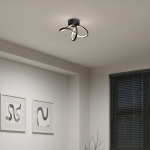
A decorative ceiling feature can serve as a focal point in an entryway, contributing to the overall design and ambiance of a home. This introduction to the concept explores various options and their impact on the spatial perception and aesthetic of the entrance.
The entryway, the threshold between the outside world and the private sphere of a residence, plays a crucial role in establishing first impressions. It is the initial point of contact for visitors and often sets the tone for the remainder of the dwelling. A well-designed entryway can be both functional and aesthetically pleasing, while a neglected one can detract from the home’s appeal.
The Psychological Impact of Entryways
The entryway is more than just a physical space; it carries psychological weight. It can evoke feelings of welcome, security, or grandeur, depending on its design. A thoughtfully curated entryway can bridge the gap between the external environment and the internal sanctuary, preparing individuals for the experience within.
Creating a Sense of Transition
The transition from the outdoors to the indoors is a significant psychological shift. The entryway acts as a liminal space, facilitating this change. Its design can influence how one moves from public to private, from the bustle of the street to the quiet of home.
Functional Requirements of an Entryway
Beyond its aesthetic contributions, the entryway must also be practical. It needs to accommodate the flow of people, provide space for storage, and offer adequate lighting Jayhull. These functional considerations are the bedrock upon which decorative elements are built.
Managing Traffic Flow
The design of the entryway must consider the movement of people, especially during peak times. Obstructions or cramped spaces can create bottlenecks and detract from the user experience. Efficient layout is paramount.
Storage Solutions
Entryways are often the dumping ground for items brought from the outside, such as keys, mail, shoes, and outerwear. Incorporating functional storage solutions is essential for maintaining order and visual appeal.
Ceiling as a Design Canvas
Traditionally, ceilings have received less design attention than walls or floors. However, the ceiling offers a significant vertical surface that can be utilized to enhance the overall interior design. Elevated ceilings, in particular, provide an opportunity to introduce architectural interest and visual depth.
The Impact of Ceiling Height and Shape
The height and shape of a ceiling directly influence the perception of space. Taller ceilings can make a room feel more expansive and airy, while lower ceilings might create a sense of intimacy. Architectural features like vaults, domes, or coffered patterns add complexity and character.
Maximizing Small Entryways
In compact entryways, a well-executed ceiling design can create the illusion of greater space. Techniques such as the use of lighter colors or reflective materials can contribute to this effect, making the area feel less confined.
Adding Drama to Grand Entryways
For larger entryways, the ceiling can become a grand statement. Elaborate moldings, custom murals, or intricate lighting fixtures can transform a vast ceiling into a captivating feature.
Architectural Ceiling Features
Various architectural elements can be integrated into the ceiling to create visual interest. These range from simple moldings to complex structural designs.
Coffered Ceilings
Coffered ceilings, characterized by a grid of indentations or sunken panels, add a sense of dimension and traditional elegance. The pattern of coffers can draw the eye upward, emphasizing the verticality of the space.
Vaulted and Domed Ceilings
Vaulted and domed ceilings introduce dramatic curves and height. These features are often found in more classical or grandeur-oriented architectural styles and can significantly impact the sense of openness.
Tray Ceilings
Tray ceilings, which have a central recessed section, offer a subtle way to add depth and visual interest. They can be used to highlight specific areas or to incorporate lighting elements.
Lighting as an Integral Component
Lighting is a fundamental element in any entryway, serving both practical and aesthetic purposes. It illuminates the space, enhances visibility, and can be used to highlight decorative features.
Ambient Lighting
Ambient lighting provides the general illumination for the entryway. This can be achieved through recessed lights, track lighting, or a central ceiling fixture. The goal is to create a comfortable and functional level of brightness.
Recessed Lighting
Recessed lighting fixtures are installed flush with the ceiling and provide a clean, unobtrusive source of light. They are effective for illuminating large areas without creating visual clutter.
Central Pendant or Chandelier
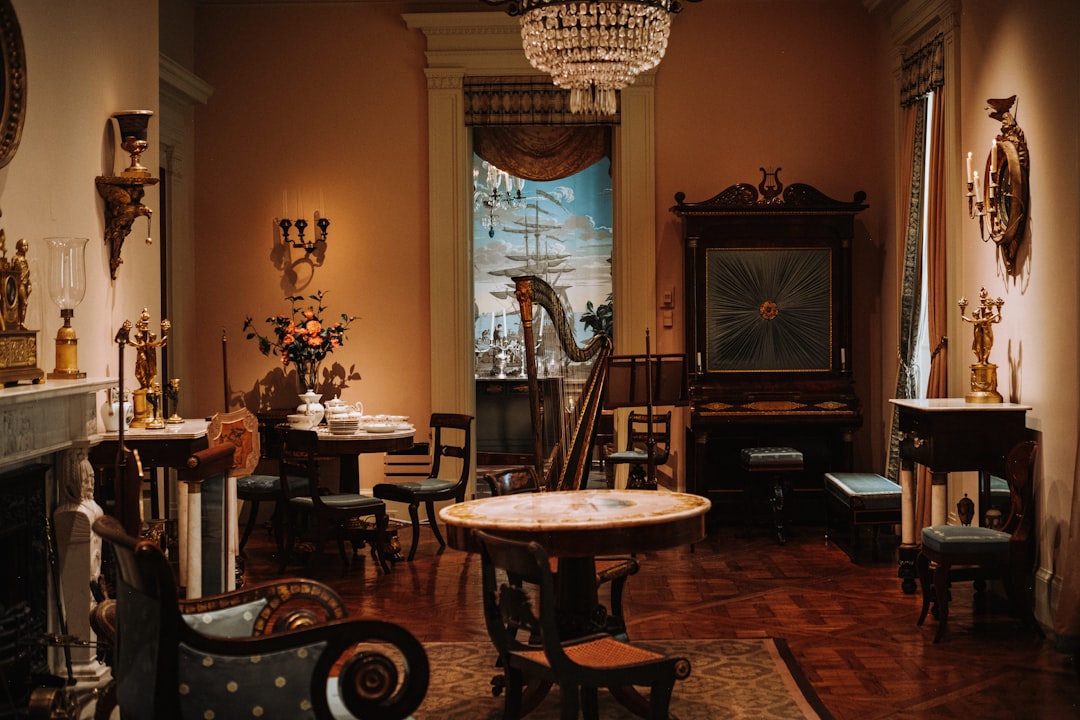
A well-chosen pendant light or chandelier can serve as a dramatic focal point in the entryway. The style, size, and material of the fixture should complement the overall decor of the home.
Accent Lighting
Accent lighting is used to draw attention to specific features within the entryway, such as artwork, architectural details, or decorative ceiling elements.
Wall Sconces
Wall sconces can provide task lighting near entry doors or stairs, while also contributing to the overall ambiance. They can cast a soft glow and add a decorative touch.
Integrated Ceiling Lighting
Some ceiling designs, such as coves or niches, can incorporate integrated lighting to create a subtle, ambient glow. This can enhance the architectural features of the ceiling.
Decorative Ceiling Treatments
Beyond structural elements, various surface treatments can be applied to a ceiling to enhance its visual appeal. These treatments can transform a plain surface into a dynamic design feature.
Paint and Wallpaper
The simplest way to alter the appearance of a ceiling is through paint or wallpaper. Bold colors or intricate patterns can make a significant stylistic statement.
Textured Paint
Textured paints can add depth and visual interest to a ceiling, mimicking materials like stucco or Venetian plaster. Different textures can create varying levels of sophistication.
Metallic or Gloss Finishes
Metallic or high-gloss paints can reflect light, making the entryway feel brighter and more spacious. They can also add a touch of glamour.
Applied Moldings and Trim
Moldings and trim can be used to add architectural detail and definition to a ceiling. These elements can frame the space, create patterns, or highlight transitions.
Crown Molding
Crown molding, installed where the wall meets the ceiling, can add a finished look and soften the transition between surfaces. It can also be ornate or simple, depending on the desired style.
Applied Ceiling Medallions
Ceiling medallions are decorative elements, typically circular, that are applied to the ceiling. They are often used around the base of a light fixture to draw attention to it and add a classic touch.
Picture Frame Molding
Creating ‘picture frames’ on the ceiling with molding can add a sophisticated architectural element. These can be left plain or filled with color, wallpaper, or even a mural.
Custom Treatments
For a truly unique entryway, custom ceiling treatments offer limitless possibilities. These can range from hand-painted murals to intricate wood carvings.
Hand-Painted Murals
A bespoke mural can transform the entryway ceiling into a work of art, reflecting the homeowner’s personality and interests. This is a highly personalized and impactful decorative choice.
Wood Paneling or Inlays
Wood treatments, such as tongue-and-groove paneling or intricate inlay work, can add warmth, texture, and a sense of craftsmanship to the ceiling.
Creating a Conversation Starter
A “conversation starter” in the context of home decor refers to an element that naturally draws attention and sparks discussion. In an entryway, a well-executed ceiling feature can fulfill this role, setting a memorable tone for the home.
The Entryway as a First Impression
The entryway is the initial handshake of a home. It’s where guests form their first opinions. A visually engaging ceiling can elevate this first impression from the mundane to the memorable.
Setting a Tone and Style
The ceiling treatment can immediately communicate the aesthetic intentions of the homeowner. Whether it’s modern and minimalist, or traditional and opulent, the ceiling plays a significant role in this initial declaration.
Elements of a Successful Ceiling Conversation Starter
Several factors contribute to a ceiling design that actively engages observers. It’s not merely about being visible, but about being compelling.
Scale and Proportion
The size and placement of the decorative element must be appropriate for the entryway. An overly large or small feature can disrupt the balance of the space.
Uniqueness and Originality
While derivative designs can be appealing, a truly captivating ceiling often incorporates elements of originality. This could be a unique material choice, an unexpected pattern, or a personalized theme.
Material Selection and Craftsmanship
The quality of materials and the skill with which they are implemented are crucial. High-quality materials and expert craftsmanship lend credibility and visual appeal to any design.
Color and Texture
Judicious use of color and texture can greatly enhance the impact of the ceiling. Contrasting colors can create drama, while varied textures can add tactile and visual interest.
The Impact on Visitor Experience
A ceiling that is a conversation starter does more than just look good; it influences how visitors feel and interact with the space.
Invoking Curiosity and Engagement
An intriguing ceiling can pique a visitor’s curiosity, encouraging them to look up and engage with the space on a deeper level. This can lead to more positive and memorable experiences.
Creating a Sense of Personality
A personalized ceiling treatment, such as a custom mural or a collection of art integrated into the ceiling, can reveal aspects of the homeowner’s personality, fostering a sense of connection.
In conclusion, an entryway’s ceiling offers a significant opportunity to enhance both its functional aspects and its aesthetic appeal. By considering the role of the entryway, the potential of the ceiling as a design surface, the integral role of lighting, and the various decorative treatments available, homeowners can create a distinctive and welcoming space. A thoughtfully designed ceiling feature has the capacity to elevate the entry experience, transforming it from a mere passage into a memorable introduction to the home.