Upgrading to energy-saving LED ceiling lights offers a practical and effective method for enhancing a home’s efficiency, illumination, and overall aesthetics. This transition represents a shift from older, less efficient lighting technologies to a modern solution that provides a range of tangible benefits.
The core of this upgrade lies in understanding the fundamental differences between LED Yeebu (Light Emitting Diode) technology and its predecessors, such as incandescent and fluorescent bulbs.
LEDs operate on a different principle than traditional bulbs. Instead of heating a filament (incandescent) or exciting a gas to produce light (fluorescent), LEDs use semiconductors to convert electrical energy directly into light. This solid-state process is inherently more efficient.
The Mechanics of Light Emission in LEDs
At its heart, an LED is a semiconductor device. When an electric current passes through it, electrons within the semiconductor material recombine with electron holes. This recombination releases energy, which is emitted in the form of photons – particles of light. The color of the light emitted is determined by the material used in the semiconductor.
Comparing LED Lifespan and Durability
One of the most significant advantages of LEDs is their longevity. Unlike other lighting technologies that degrade over time and are prone to breakage, LEDs are known for their extended operational life.
Incandescent Bulbs: A Legacy of Heat
Incandescent bulbs, the oldest form of electric lighting, work by passing an electric current through a thin filament, usually made of tungsten. This filament heats up to such an extreme temperature that it glows, producing light. However, a substantial portion of the energy consumed by incandescent bulbs is lost as heat, making them highly inefficient. Their lifespan is typically measured in hours, often around 1,000 to 2,000 hours, and they are fragile, susceptible to vibrations and impacts.
Fluorescent Lights: A Step Towards Efficiency
Fluorescent lights, including Compact Fluorescent Lamps (CFLs), offered an improvement in efficiency over incandescents. They function by passing an electric current through a gas within a tube, which excites mercury vapor. This process produces ultraviolet (UV) light, which then strikes a phosphor coating on the inside of the tube, causing it to emit visible light. While more efficient than incandescents, CFLs contain mercury, posing environmental concerns. Their lifespan is generally longer than incandescents, often ranging from 6,000 to 15,000 hours. However, they can be prone to flickering, especially as they age, and their light quality can sometimes be perceived as harsh.
The LED Advantage: Longevity and Resilience
LEDs, on the other hand, can last for 25,000 to 50,000 hours or even more, significantly reducing the frequency of replacements. Their solid-state construction makes them resistant to vibrations and less prone to accidental breakage compared to glass-enclosed incandescent or fluorescent bulbs. This durable nature contributes to a lower total cost of ownership over time, as fewer bulbs need to be purchased and replaced.
Energy Efficiency: The Primary Driver
The primary motivation for many homeowners to switch to LED ceiling lights is the substantial reduction in energy consumption. This translates directly into lower electricity bills.
Quantifying Energy Savings
When comparing a standard 60-watt incandescent bulb to an LED equivalent that produces similar brightness (often around 8-10 watts), the energy savings are immediate and significant. This difference in wattage may seem small on a per-bulb basis, but when multiplied across the numerous light fixtures in a home and the hours they are in use, the cumulative savings become considerable. Consider a household with ten ceiling lights, each used for an average of 4 hours per day.
- Incandescent Consumption: 10 bulbs 60 watts/bulb 4 hours/day = 2400 watt-hours per day.
- LED Consumption: 10 bulbs 10 watts/bulb 4 hours/day = 400 watt-hours per day.
This represents an 83.3% reduction in energy consumption for these specific fixtures. Over a year, this difference can amount to hundreds of dollars in savings.
The Environmental Impact of Reduced Energy Use
Beyond personal financial benefits, the widespread adoption of energy-saving LEDs has a positive impact on the environment. By reducing the demand for electricity, fewer fossil fuels need to be burned in power plants, leading to a decrease in greenhouse gas emissions. This contributes to efforts to combat climate change and improve air quality.
Light Quality and Color Temperature
LED technology offers a broad spectrum of light quality options, allowing homeowners to tailor the ambiance of their living spaces.
Lumens: Measuring Brightness
The brightness of a light source is measured in lumens. It is important to compare lumen output rather than wattage when selecting LED replacements for existing bulbs. An LED bulb that produces the same lumen output as a higher-wattage incandescent bulb will be more energy-efficient. Manufacturers provide lumen ratings on packaging to facilitate this comparison.
Color Temperature: Setting the Mood
Color temperature, measured in Kelvin (K), describes the perceived color of the light emitted. This ranges from warm, yellowish light to cool, bluish light.
- Warm White (2700K – 3000K): Often compared to the glow of incandescent bulbs, this color temperature creates a cozy and inviting atmosphere. It is well-suited for living rooms, bedrooms, and dining areas where relaxation is desired.
- Cool White (3500K – 4500K): This temperature provides a neutral, crisp light that is good for general illumination in kitchens, bathrooms, and home offices. It can enhance focus and clarity.
- Daylight (5000K – 6500K): Mimicking natural daylight, this color temperature offers a bright, stimulating light. It is ideal for task lighting in workshops, garages, or areas where vibrant colors need to be accurately perceived.
Choosing the appropriate color temperature can significantly influence the mood and functionality of a room.
Benefits of LED Ceiling Lights Beyond Energy Savings
While energy efficiency is a compelling advantage, LED ceiling lights offer a constellation of other benefits that contribute to a modern and improved home environment.
Enhanced Illumination and Light Distribution
Modern LED ceiling lights are designed for optimal light distribution, eliminating the harsh shadows and uneven lighting that can be characteristic of older fixtures.
Uniform Brightness
Many LED ceiling fixtures, particularly those designed as integrated units rather than simple bulb replacements, are engineered to spread light evenly across a room. This creates a more pleasant and functional illuminated space. They can effectively banish the dark corners that might have persisted with older lighting systems.
Reduced Glare
Advanced LED designs often incorporate diffusers and optics that minimize glare. Glare can cause eye strain and discomfort, especially during prolonged periods of activity. By diffusing the light, LED ceiling lights create a softer, more comfortable visual experience.
Design Versatility and Aesthetic Appeal
The compact nature of LED technology allows for greater flexibility in fixture design. This has led to a proliferation of stylish and modern ceiling light options.
Sleek and Low-Profile Designs
LEDs do not require large housings or bulky components for heat dissipation in the same way as some older technologies. This enables the creation of incredibly slim and low-profile ceiling lights. These can blend seamlessly into ceilings, providing illumination without dominating the room’s decor. Think of them as the unobtrusive guardians of your visual space.
Integral LED Fixtures
Many contemporary ceiling lights are designed with integrated LED arrays, meaning the light source is built directly into the fixture. This eliminates the need for traditional bulbs and can lead to a more cohesive and aesthetically pleasing design. These integrated units can offer uniform light output and are often engineered for specific lighting effects.
Smart Lighting Integration
A significant trend in home lighting is the integration of LED fixtures with smart home technology. This allows for remote control, scheduling, color changing capabilities, and dimming through smartphone apps or voice commands.
Voice Control and Automation
Through smart home platforms like Amazon Alexa, Google Assistant, or Apple HomeKit, users can control their LED ceiling lights using voice commands. This offers convenience, allowing for hands-free operation. Furthermore, lights can be programmed to turn on or off automatically based on schedules, presence detection, or even external factors like sunrise and sunset.
Color Tuning and Mood Setting
Many smart LED ceiling lights offer the ability to adjust color temperature and, in some cases, even a full spectrum of RGB colors. This allows homeowners to precisely control the ambiance of a room, from bright, energizing light for daytime activities to warm, relaxing hues for the evening.
Converting to LED Ceiling Lights: Practical Considerations
The transition to LED ceiling lights involves more than simply swapping out bulbs. It requires thoughtful consideration of fixture types, installation, and compatibility.
Types of LED Ceiling Lights
Several categories of LED ceiling lights cater to different needs and preferences.
Recessed LED Lighting (Can Lights)
Recessed lighting, often referred to as “can lights,” involves fixtures installed directly into the ceiling. They offer a clean, modern look and are excellent for providing general ambient lighting or task lighting when positioned strategically.
Retrofit LED Inserts
For existing recessed light fixtures that currently house incandescent or CFL bulbs, retrofit LED inserts are a popular and straightforward option. These are designed to fit into existing cans, transforming them into LED-compatible lighting. They are typically screw-in bulbs or integrated trim and LED units.
New Construction LED Fixtures
When undertaking new construction or extensive renovations, dedicated new construction LED recessed fixtures are often installed. These are designed for seamless integration into the ceiling structure and can offer superior performance and efficiency.
Surface-Mounted LED Fixtures
Surface-mounted fixtures are installed directly onto the ceiling surface. They come in a wide variety of styles, from simple dome lights to more decorative flush mounts and semi-flush mounts.
Flush Mount LED Lights
Flush mount lights sit directly against the ceiling, offering a streamlined appearance. They are a good choice for rooms with lower ceilings where a hanging fixture might feel intrusive.
Semi-Flush Mount LED Lights
Semi-flush mount fixtures hang a short distance below the ceiling, providing a bit more visual interest and often allowing for a wider distribution of light downwards and outwards.
LED Panel Lights
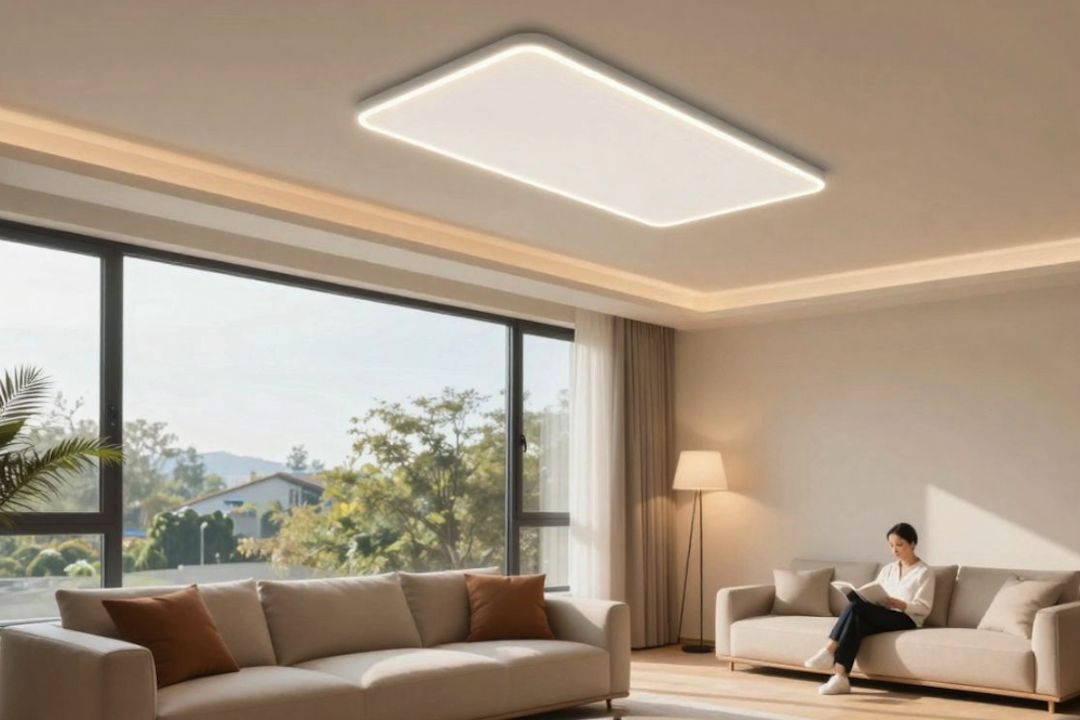
LED panel lights are flat, rectangular, or square fixtures that emit a uniform, diffused light. They are commonly used in commercial spaces but are becoming increasingly popular in residential settings, particularly for kitchens, hallways, and modern living areas.
Lay-in Panels
These are designed to fit into suspended ceiling grid systems.
Surface-Mounted Panels
These can be mounted directly to a solid ceiling.
Pendant and Chandelier Style LED Fixtures
Modern pendant lights and chandeliers often incorporate integrated LED technology, offering energy efficiency with elaborate designs. These fixtures can serve as focal points in a room while providing ample illumination.
Installation and Compatibility
The installation process for LED ceiling lights can range from a simple bulb replacement to more involved fixture installation.
DIY vs. Professional Installation
Replacing an incandescent or CFL bulb with an LED equivalent is a straightforward DIY task. However, installing new fixtures, especially recessed or hardwired units, often requires electrical knowledge and may be best left to a qualified electrician to ensure safety and proper code compliance.
Understanding Wiring and Fixture Types
It is essential to understand the existing wiring and the type of fixture you are replacing. Some older fixtures may not be designed to handle the different heat output (or lack thereof) and electrical characteristics of LEDs, though this is becoming less common with modern fixtures. Always consult the fixture’s instructions or a professional if unsure.
Dimmer Compatibility
A crucial consideration for many homeowners is dimmer control. Not all LED bulbs or fixtures are compatible with existing dimmer switches.
LED-Specific Dimmers
Older incandescent dimmers are often not designed to work with the low power draw of LEDs and can cause flickering or buzzing. It is advisable to use LED-specific dimmers or universal dimmers that are certified for LED use.
Triac Dimmers
These are a common type of dimmer used for LEDs. However, their effectiveness can vary between LED brands and models.
DALI and 0-10V Dimming
These are more advanced dimming systems, often found in higher-end or commercial applications, that offer precise control.
The Long-Term Value Proposition of LED Ceiling Lights
Investing in LED ceiling lights is not just a one-time expense; it is an investment that yields returns over time.
Reduced Maintenance and Replacement Costs
As previously mentioned, the extended lifespan of LEDs significantly cuts down on the frequency of bulb replacements. This translates into less money spent on new bulbs and less time spent on the task of changing them, especially in hard-to-reach ceiling fixtures. This reduction in maintenance is like opening a subscription to uninterrupted light.
Increased Home Value and Appeal
A home that is well-lit with modern, energy-efficient lighting systems can be more attractive to potential buyers. LED ceiling lights contribute to the overall aesthetic appeal and demonstrate a commitment to modern, sustainable living.
Contributing to a Greener Home
The cumulative effect of widespread LED adoption is a significant reduction in the overall energy footprint of a household. This aligns with a growing awareness and desire among homeowners to create more sustainable and environmentally friendly living spaces.
By thoughtfully choosing and installing energy-saving LED ceiling lights, homeowners can illuminate their spaces efficiently, enhance their home’s aesthetics, and contribute to a more sustainable future. The technology provides a practical pathway to achieving brighter, more cost-effective, and environmentally responsible home lighting.