So, you’re wondering how to bring that relaxed, breezy coastal vibe into your home through lighting? It’s all about choosing fixtures that subtly echo the ocean – think natural materials, soft, diffused light, and designs that feel organic and unpretentious. We’re not talking about literal seashells glued to a lamp here, but rather a sophisticated nod to the seaside.
Before we dive into specific fixtures, let’s nail down what “coastal” truly means in a lighting context. It’s more than just a color palette; it’s a feeling.
Beyond Nautical Themes
Forget the anchors and ship wheels, unless you’re going for a very specific, themed room. Modern coastal design is about understated elegance, drawing inspiration from natural elements rather than direct symbols. It’s the difference between a beach house and a pirate ship.
The Role of Light Quality
Coastal spaces often feature abundant natural light Naloom. When supplementing this with artificial light, the goal is to maintain that bright, airy feeling. Avoid harsh, direct light. Instead, opt for fixtures that diffuse light gently, mimicking the way sunlight filters through clouds or reflects off water. Think warm, inviting glows rather than stark beams.
Material Matters
The materials you choose for your ceiling fixtures are paramount. They should evoke nature and craftsmanship. We’re looking for textures and finishes that feel organic and unrefined, in the best possible way.
Key Elements of Coastal Ceiling Lighting
Now that we’ve set the stage, let’s explore the practical elements that make a ceiling fixture truly coastal.
Natural Materials for a Breezy Feel
This is where the magic happens. The materials directly communicate the coastal aesthetic.
Woven Rattan and Wicker
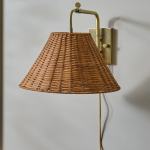
These are classics for a reason. Rattan and wicker pendants and chandeliers instantly add texture and a relaxed, bohemian-coastal vibe. The open weave allows light to filter through, creating interesting patterns on your ceiling and walls. They are lightweight, airy, and bring a touch of the outdoors in.
- Pros: Excellent for diffusing light, adds significant texture, lightweight, often affordable.
- Cons: Can collect dust in crevices, may not suit ultra-modern coastal styles.
- Best for: Living rooms, dining areas, bedrooms, covered patios.
Jute, Hemp, and Rope
Similar to rattan, these natural fibers bring an organic, handcrafted feel. Jute or hemp-wrapped pendants or chandeliers can add a rustic yet refined touch. Rope details are excellent for a subtle nod to nautical elements without being overt. Think chunky rope coiled around a fixture or delicate jute woven into a shade.
- Pros: Strong textural element, durable, often sustainable.
- Cons: Can be heavier than rattan, may have a slightly rougher finish.
- Best for: Entryways, stairwells, bedrooms, kitchens.
Wood Tones, Weathered and Light
Look for light-colored woods, especially those with a weathered or driftwood finish. White-washed wood, natural oak, or even bamboo can provide a grounding element. Wood bead chandeliers are a popular choice, offering a playful yet elegant take on natural materials.
- Pros: Adds warmth, durable, versatile.
- Cons: Can feel heavy if not balanced with other elements, harder to find genuinely weathered wood fixtures.
- Best for: Dining rooms, larger living spaces, high ceilings.
Glass: Clear, Seeded, or Frosted
Glass is essential for coastal lighting. Clear glass allows light to shine unobstructed, perfect for showcasing vintage-style bulbs. Seeded glass adds a subtle texture, mimicking water droplets or small bubbles, which is a fantastic detail. Frosted or etched glass diffuses light beautifully, creating a soft, ambient glow.
- Pros: Elegant, easy to clean (clear glass), excellent light diffusion (frosted/seeded).
- Cons: Can be fragile, clear glass might show dust easily.
- Best for: Bathrooms, kitchens, hallways, over islands.
Finishes That Whisper “Beach”
The metal finishes you choose play a supporting but crucial role in the overall aesthetic.
Brushed Nickel and Chrome
These offer a clean, crisp look that complements the light and airy coastal style. They don’t draw too much attention, letting the natural materials and light quality be the stars. They evoke the metallic sheen of boat hardware without being overly thematic.
- Pros: Modern, easy to maintain, versatile.
- Cons: Can feel cold if not balanced with warm tones.
- Best for: Modern coastal homes, kitchens, bathrooms.
Aged Brass and Bronze
For a slightly warmer or more vintage coastal look, aged brass or bronze can be stunning. They offer a muted, antique finish that suggests years of exposure to salty air, without the shiny newness of polished brass.
- Pros: Adds warmth and character, sophisticated.
- Cons: Can be more expensive, might not suit very contemporary coastal designs.
- Best for: Traditional coastal, transitional styles, living rooms.
Matte White or Black
Sometimes, the absence of a strong metallic finish is best. Matte white blends seamlessly with white-washed interiors, maintaining a bright, cohesive look. Matte black can provide a striking modern contrast, especially in a more minimalist coastal setting.
- Pros: Clean, modern, versatile.
- Cons: Matte black can feel heavy if overused.
- Best for: Minimalist coastal, Scandinavian-coastal, high-contrast designs.
Forms and Silhouettes that Flow
The shape of your ceiling fixture should feel organic and unforced.
Open and Airy Designs
Avoid heavy, bulky fixtures. Coastal lighting often features open cages, exposed bulbs, or loosely woven shades. This contributes to the airy, expansive feeling of a seaside home.
Soft Curves and Organic Shapes
Think of the gentle undulations of waves or the smooth lines of driftwood. Fixtures with soft curves, rounded edges, or irregular, organic forms will feel more at home in a coastal setting than sharp, angular designs.
Minimalist Approaches
Sometimes, the most coastal option is the simplest. A single, well-chosen pendant with a natural material can speak volumes without being overly decorative. Recessed lighting is also your friend for general illumination, allowing decorative fixtures to be accents.
Types of Coastal Ceiling Lighting Fixtures
Let’s break down the different kinds of ceiling fixtures and how they fit into the coastal theme.
Pendants: The Versatile Star
Pendants are arguably the most impactful ceiling fixture for coastal design. They come in an incredible variety of materials and styles.
Single Pendants over Islands
For kitchen islands, a row of two or three natural material pendants (rattan, glass, or light wood) creates a focal point that is both functional and stylish. Varying heights can add visual interest.
Statement Pendants in Entryways
A larger, more elaborate pendant, perhaps a woven design or a wood bead chandelier, can make a stunning first impression in an entryway or foyer. It sets the tone for the rest of your home.
Bedside Pendants
Instead of traditional bedside lamps, consider hanging smaller pendants on either side of the bed. This frees up nightstand space and adds a chic, custom look.
Chandeliers: Elegant Coastal Grandeur
Don’t shy away from chandeliers just because you think they’re too formal. Coastal chandeliers are often redefined by their materials and lighter construction.
Wood Bead Chandeliers
These are incredibly popular and for good reason. They offer a luxurious feel without being ostentatious. The cascading beads mimic water or shells and provide wonderful texture.
Rattan or Wicker Chandeliers
A large, woven chandelier can be a breathtaking centerpiece in a dining room or living area, casting beautiful shadows and providing a warm glow.
Simple Iron or Brass Chandeliers with Natural Elements
Look for chandeliers with clean lines and minimal ornamentation, perhaps with shades made of linen or a few natural wood accents. The key is understated elegance.
Flush Mounts and Semi-Flush Mounts: Practical and Stylish
For areas with lower ceilings or where a less dramatic statement is desired, flush mounts and semi-flush mounts are perfect.
Woven Flush Mounts
Many rattan and wicker designs are available as flush or semi-flush mounts, offering the same natural texture in a more compact form.
Glass Bowl Flush Mounts
A simple frosted or seeded glass bowl fixture provides excellent diffused light and a clean, unobtrusive look.
Fabric Drum Shades
A drum shade made of linen or a similar natural fabric can offer a soft, ambient light, especially in bedrooms or hallways. Look for slightly textured fabrics.
Recessed Lighting: The Unsung Hero
While not decorative, recessed lighting is crucial for general illumination in a coastal home. It provides ample light without visual clutter, allowing your decorative fixtures to shine. Use warm white bulbs to maintain a cozy atmosphere.
Bringing it All Together: Tips for Placement and Layering
It’s not just about picking pretty fixtures; it’s about how you use them.
Layer Your Lighting
A well-lit coastal room uses a combination of lighting types.
Ambient Lighting
This is your general, overall illumination, often provided by recessed lights, flush mounts, or a central pendant/chandelier.
Task Lighting
For specific activities like reading or cooking, task lighting is essential. This could be under-cabinet lighting in the kitchen, reading lamps, or adjustable wall sconces.
Accent Lighting
This highlights architectural features, artwork, or plants. Think small spotlights or picture lights.
Consider Scale and Proportion
A common mistake is choosing a fixture that’s too small or too large for the space. For dining rooms, the bottom of a chandelier should typically be 30-36 inches above the table. For other areas, consider ceiling height and room size. A large, open room can handle a more substantial fixture, while a small hallway needs something more discreet.
Think About Light Temperature (Color)
For a coastal feel, opt for warmer light temperatures, typically in the 2700K to 3000K range. This mimics natural sunlight and creates a cozy, inviting atmosphere. Avoid harsh, blue-toned “daylight” bulbs unless specifically needed for a task area.
Dimmer Switches are Your Best Friend
No matter how perfect your fixtures are, the ability to control the intensity of light is key to creating mood. Dimmers allow you to transition from bright, functional light to a soft, ambient glow instantly.
Don’t Be Afraid to Mix and Match (Sensibly)
You don’t need every fixture in a room to be rattan. You can have a woven pendant over the dining table, a simple frosted glass flush mount in the hallway, and clear glass pendants over the kitchen island. The key is to ensure the materials and finishes complement each other and contribute to the overall coastal aesthetic. Look for common threads – natural textures, light tones, or a consistent metallic finish.
Maintaining Your Coastal Ceiling Lights
A quick word on keeping your beautiful fixtures looking their best.
Regular Dusting
Especially for woven or wood bead fixtures, dust can accumulate. A soft duster or the brush attachment on your vacuum cleaner can keep them pristine.
Gentle Cleaning for Glass
For glass shades, a soft cloth and a mild glass cleaner will do the trick. Ensure the power is off before cleaning.
Checking Connections
Periodically check that all connections are secure, especially for fixtures that hang or have multiple components.
Choosing coastal ceiling lighting is about creating an atmosphere. It’s about bringing the serenity and natural beauty of the seaside into your home, not through overt symbolism, but through thoughtful choices in materials, light quality, and design. By focusing on natural textures, diffused light, and organic forms, you can easily echo the waves above, creating a truly inviting and relaxed space.