What Exactly is a Smart Paper Lantern Chandelier?
A smart app-controlled chandelier with an elegant paper lantern finish is, at its core, a lighting fixture that combines classic aesthetics with modern technology. Think of a beautifully crafted chandelier, perhaps with multiple arms and light sources, but instead of traditional glass shades or exposed bulbs, each light is encased in a delicate, often handmade, paper lantern. The “smart” part comes in with its connectivity – you can control various aspects of the chandelier, such as brightness, color temperature, and even color (if it’s an RGB fixture), directly from an app on your smartphone or tablet. This isn’t just about turning it on and off; it’s about creating specific lighting moods, scheduling, and sometimes even integrating it with other smart home devices. It’s a blend of timeless design and contemporary convenience, offering a unique way to illuminate and decorate a space.
Blending Old-World Charm with New-Age Tech
The appeal of these chandeliers lies heavily in their ability to bridge two seemingly disparate worlds. The paper lantern, a design element with a rich history rooted in various cultures, brings a soft, diffused light and a sense of calm elegance. This isn’t the harsh, direct light you often get from bare bulbs. Instead, it’s a warmer, more inviting glow that can transform a room. Pairing this traditional aesthetic with smart technology elevates it beyond a simple decorative piece. It moves from being just a light source to an interactive element of your home, allowing for personalization that wasn’t possible with conventional fixtures.
The Enduring Allure of Paper Lanterns
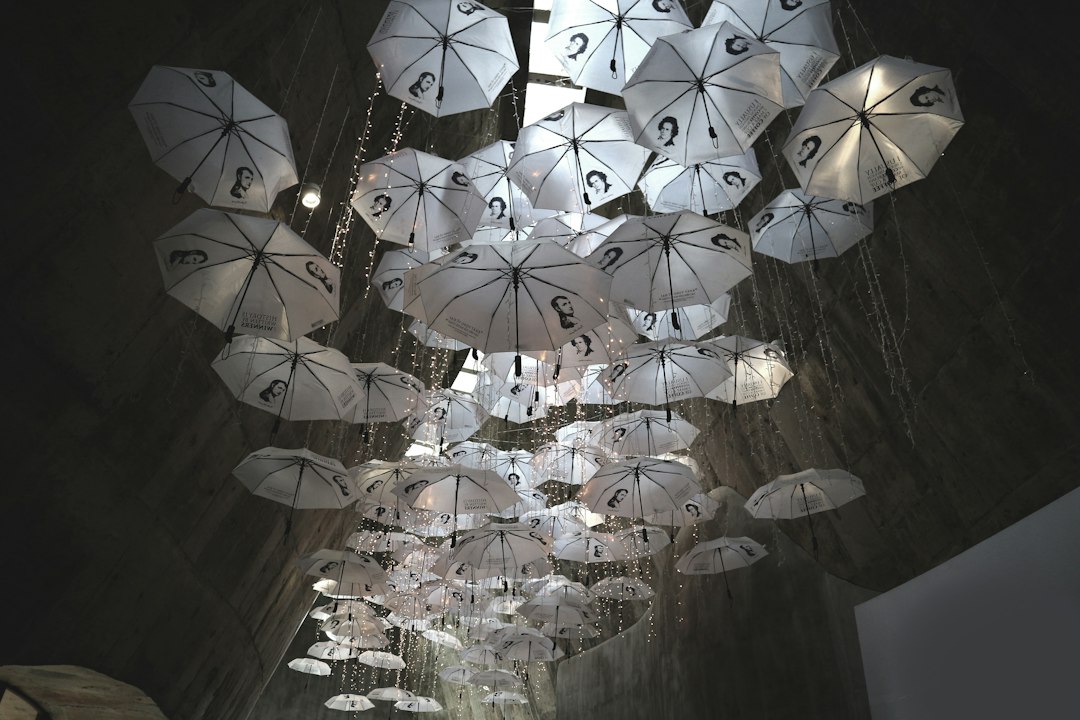
Paper lanterns have been used for centuries, not just for illumination but also for celebration and decoration. Their beauty often lies in their simplicity and the unique way they filter and soften light. The paper itself, whether delicate rice paper, durable mulberry paper, or another material, creates a subtle texture and warmth that glass or plastic can’t quite replicate. When integrated into a chandelier, these individual lanterns create a sculptural form, a cloud of soft light that becomes a focal point in any room. The choice of paper, its folds, and its construction all contribute to a unique visual and atmospheric effect. This isn’t about blinding brightness, but about creating an ambient glow that promotes relaxation and conversation.
How Smart Features Enhance Aesthetics
The “smart” aspect isn’t just about convenience; it actively contributes to the aesthetic experience. Imagine having the ability to adjust the brightness to perfectly match the time of day or the activity in the room. A bright, cool white for morning coffee or a soft, warm glow for an evening gathering. If your chandelier supports color changes, you can instantly shift the mood of the entire space – a subtle blue for a calming effect, or a vibrant red for a party. This dynamic control over light allows the paper lanterns to be appreciated in new ways, as the intensity and color temperature can emphasize their delicate structure and the quality of light they emit. Instead of a static lighting fixture, you have a responsive and evolving centerpiece.
Key Smart Capabilities to Look For
When considering a smart app-controlled paper lantern chandelier, understanding the range of smart features available is crucial. These aren’t one-size-fits-all devices, and some features will be more important to you than others depending on your needs and how you envision using the fixture. Thinking about these capabilities beforehand will help you make an informed decision.
Adjustable Brightness and Dimming
This is perhaps the most fundamental smart feature and one of the most impactful. The ability to precisely control the brightness (dimming) of your chandelier from an app offers immense flexibility. You can go from full, bright illumination needed for cleaning or detailed tasks to a subtle, ambient glow perfect for winding down in the evening. This eliminates the need for physical dimmer switches, which can sometimes be bulky or inconveniently located. The smooth transition from dim to bright, often called “ramp-up” or “fade-out,” can also enhance the overall experience, preventing harsh light changes. Look for chandeliers that offer a wide dimming range for maximum versatility.
Color Temperature Control (Tunable White)
Beyond just brightness, many smart chandeliers offer control over color temperature, often referred to as “tunable white.” This allows you to shift the light from a warm, cozy yellow (around 2700K-3000K) to a crisp, invigorating cool white (around 5000K-6500K). Warm light is generally preferred for relaxation and social settings, mimicking natural candlelight or incandescent bulbs. Cool white light, on the other hand, is often better for focus and tasks, similar to natural daylight. The ability to adjust this lets you tailor the light to different activities and times of day, optimizing comfort and productivity.
RGB Color Changing Options
For those who enjoy more playful or dramatic lighting, RGB (Red, Green, Blue) color-changing capabilities are a significant feature. This allows the chandelier to emit millions of different colors, far beyond just white light. You could choose a subtle pastel for a soothing effect, a vibrant hue for a party, or even cycle through colors for dynamic lighting. While not for everyone, RGB options open up a world of creative expression and can completely transform the atmosphere of a room. It’s especially appealing for entertaining or creating themed decor.
Scheduling and Automation
One of the greatest benefits of smart lighting is the ability to schedule and automate its operation. You can set your chandelier to turn on gradually in the morning to wake you up gently, or to dim down as bedtime approaches. You can also schedule it to turn on when you’re away from home, giving the impression that someone is there for security purposes. Automation often extends to “scenes,” where you can program specific combinations of brightness, color temperature, and color (if applicable) and trigger them with a single tap or voice command. For example, a “Movie Night” scene might dim the chandelier to a low, warm glow, while a “Dinner Party” scene sets it to a brighter, neutral white.
Voice Control Integration
For ultimate hands-free convenience, many smart chandeliers integrate with popular voice assistants like Amazon Alexa, Google Assistant, or Apple HomeKit. This means you can control your lighting simply by speaking commands. “Alexa, dim the dining room chandelier to 50%,” or “Hey Google, change the living room light to warm white.” This seamless integration into a smart home ecosystem makes controlling your lighting effortless and intuitive, especially when your hands are full or you’re across the room.
App Interface and User Experience
While not a “feature” in the same way as dimming or color changing, the quality of the accompanying app is paramount. A well-designed app should be intuitive, easy to navigate, and responsive. It should allow you to access all the chandelier’s features without frustration. Look for apps that offer clear controls, easy scene creation, and reliable connectivity. A clunky or unreliable app can quickly diminish the enjoyment of a smart device, so it’s worth checking reviews or demonstrations of the app’s interface.
Installation and Setup Considerations
Getting your new smart paper lantern chandelier up and running isn’t usually overly complex, but it does involve a few practical steps. Understanding these considerations beforehand can help manage expectations and ensure a smooth process. It’s generally a straightforward electrical fixture installation combined with a digital setup.
Electrical Wiring Basics
First and foremost, like any hardwired chandelier, this will involve basic electrical wiring. If you’re replacing an existing fixture, you’ll likely be dealing with an existing junction box in your ceiling. You’ll need to connect the chandelier’s wires (typically live, neutral, and ground) to your home’s wiring. While many DIY enthusiasts are comfortable with this, if you’re not experienced with electrical work, or if your home’s wiring is old or unfamiliar, it’s always safest and recommended to hire a qualified electrician. Incorrect wiring can be a fire hazard or damage the fixture. Ensure the power to the circuit is turned off at the breaker before starting any electrical work.
Mounting and Assembly
Chandelier installation involves securely mounting the fixture to the ceiling. This typically requires a sturdy mounting bracket attached to the junction box. Given the delicate nature of paper lanterns, careful handling during assembly and mounting is essential. Many chandeliers come partially assembled, but you might need to attach individual lantern shades or light clusters. The weight of the chandelier is also a factor – ensure your ceiling can support it, especially if it’s a larger model. Tools like a drill, screwdriver, and wire strippers are usually necessary.
Connecting to Your Wi-Fi Network
Once the chandelier is physically installed and powered, the “smart” setup begins. This usually involves downloading the manufacturer’s dedicated app to your smartphone or tablet. The app will guide you through connecting the chandelier to your home’s Wi-Fi network. This process often involves putting the chandelier into a “pairing mode” (which might involve toggling the light switch a few times or pressing a button on the fixture) and then connecting to its temporary Wi-Fi hotspot before directing it to your main home network. Ensure your Wi-Fi signal is strong in the area where the chandelier is installed.
App Configuration and Personalization
After the chandelier is connected to Wi-Fi, you’ll use the app to configure its settings. This is where you’ll name the device, set up schedules, create custom lighting scenes, and potentially link it to your voice assistant (Alexa, Google Assistant). Take your time exploring the app’s features to personalize your lighting experience. This might include setting default brightness levels, choosing favorite colors, or grouping the chandelier with other smart lights in your home for synchronized control. Firmware updates might also be available through the app to improve performance or add new features.
Maintenance and Care of Paper Lanterns
The paper lantern finish requires specific care compared to glass or metal fixtures. Dusting should be done gently, perhaps with a soft, dry cloth or a feather duster. Avoid using wet cloths or harsh cleaning agents, as they can damage the paper. If a lantern gets damaged, some manufacturers offer replacement shades, which is a good point to clarify before purchasing. The delicate nature of the paper means it’s less forgiving of impacts, so careful handling during installation and cleaning is key to maintaining its elegant appearance.
Design Considerations and Placement
Choosing the right smart paper lantern chandelier goes beyond just its smart features; its design and how it fits into your space are equally important. These fixtures often become a central decorative element, so thoughtful placement and style selection are crucial.
Sizing for Your Space
The size of the chandelier should be proportionate to the room it’s in. A chandelier that’s too small can get lost, while one that’s too large can overwhelm the space. A common guideline for dining rooms is that the diameter of the chandelier should be about half to two-thirds the width of the dining table. For other rooms, consider the room’s square footage and ceiling height. Taller ceilings can accommodate larger, more dramatic fixtures, while lower ceilings might require more compact or semi-flush mount designs to maintain adequate head clearance. Always check the chandelier’s dimensions (diameter, height, and drop length) before purchasing.
Aesthetic Harmony with Existing Decor
The paper lantern finish lends itself well to various interior design styles, from minimalist and Scandinavian to bohemian, Asian-inspired, and even modern eclectic. Consider the overall aesthetic of your room. Does your space lean towards natural materials and soft textures? A paper lantern chandelier would fit seamlessly. Are your existing furnishings clean-lined and contemporary? A minimalist paper lantern design could provide a beautiful counterpoint. The color of the paper (most commonly white or off-white) also plays a role in how it integrates with your existing color palette. Some designs incorporate natural wood or metal accents which can tie into other elements in the room.
Optimal Room Placement
Where you hang the chandelier significantly impacts its visual effect and functionality.
Dining Room
This is a classic placement. A paper lantern chandelier above a dining table creates a soft, inviting glow perfect for meals and conversation. The diffused light helps to flatter faces and food, making the dining experience more pleasant. Ensure it’s hung high enough to not obstruct views across the table, typically 30-36 inches above the table surface, depending on ceiling height.
Living Room
In a living room, a chandelier can serve as a central ambient light source or a decorative focal point. If it’s the primary light, consider its brightness output. If it’s more for ambiance, the soft glow of paper lanterns is ideal. It can be particularly effective in open-plan living spaces to define a specific zone, such as a seating area.
Bedroom
For a bedroom, the gentle, diffused light of a paper lantern chandelier is perfect for creating a relaxing atmosphere. With smart dimming and color temperature control, you can easily adjust the light for reading, dressing, or winding down. Avoid overly bright or stark designs; aim for something that contributes to a serene environment.
Entryway or Foyer
A statement chandelier in an entryway or foyer makes a grand first impression. A large, sculptural paper lantern design can welcome guests with soft, inviting light. Ensure it’s hung high enough so that taller individuals don’t bump into it, especially if it’s a multi-tiered design.
Light Diffusion and Ambiance
The primary strength of paper lanterns is their ability to diffuse light beautifully. This isn’t about direct, task-oriented lighting, but rather about creating a uniform, ambient glow that reduces harsh shadows and glare. When planning your lighting scheme, consider if the chandelier is meant to be the sole light source or complemented by other layers of lighting, such as recessed lights, floor lamps, or table lamps. For larger rooms, relying solely on a chandelier for all light might not be sufficient, but it excels at setting a specific mood and contributing to the overall feel of the space.
Potential Downsides and Considerations
While smart app-controlled paper lantern chandeliers offer a unique blend of style and convenience, it’s also important to be aware of potential drawbacks or practical considerations before making a purchase. No product is perfect for everyone, and understanding these points can help you decide if it’s the right choice for your home.
Durability of Paper Shades
The most obvious consideration is the material itself. Paper, by its nature, is more delicate than glass, metal, or plastic. It’s susceptible to tears, punctures, and creasing if not handled carefully. This means you need to be mindful during installation, cleaning, and general use. If you have active children or pets who might accidentally knock into the chandelier, or if it’s placed in a high-traffic area, the paper shades could be a vulnerability. While some manufacturers use reinforced or thicker paper, it won’t be as robust as other materials.
Cleaning and Maintenance Challenges
Cleaning paper shades requires a gentle touch. Unlike glass fixtures that can often be wiped down with a damp cloth, paper requires dry dusting, typically with a soft brush, feather duster, or a vacuum cleaner with a brush attachment on a very low setting. Accumulation of dust can dull the light and compromise the aesthetic. Additionally, paper can absorb odors over time, especially if placed in a kitchen without adequate ventilation. Stains are also more challenging to remove from paper than from non-porous surfaces.
Potential for Wi-Fi Connectivity Issues
The “smart” aspect relies entirely on a stable Wi-Fi connection. If your home Wi-Fi network is unreliable, prone to dropouts, or has weak signals in the chandelier’s location, you could experience issues with app control or voice commands. While most smart devices are designed to reconnect automatically, consistent connectivity problems can be frustrating and diminish the convenience factor. It’s worth checking your Wi-Fi signal strength in the intended installation area.
Dependency on Manufacturer’s App and Ecosystem
You’re generally tied to the specific app provided by the chandelier’s manufacturer. While many integrate with broader smart home platforms (like Alexa or Google Home), the primary control and advanced features often reside within the proprietary app. If the manufacturer discontinues support for the app, or if the app’s quality declines over time, it could impact your ability to fully utilize the chandelier’s smart features. It’s wise to research the manufacturer’s reputation for app support and updates.
Limited Replacement Parts Availability
Should a specific smart component fail (e.g., the LED driver or the Wi-Fi module), obtaining replacement parts might be challenging. Unlike standard fixtures where a bulb can be easily replaced, integrated LED smart components are often proprietary. While reputable brands offer warranties, post-warranty repairs could be difficult or costly if parts are not readily available or if the design makes them non-user-serviceable. Similarly, replacement paper shades, while sometimes offered, might not always be in stock or match perfectly years down the line.
Cost Compared to Non-Smart Options
Generally, a smart app-controlled chandelier, especially one with a unique design like paper lanterns, will carry a higher price tag than a comparable non-smart fixture. The added technology, development costs, and often higher quality components contribute to this. While the convenience and advanced features might justify the cost for many, it’s a factor to consider if budget is a primary concern. You’re paying not just for the light, but for the integrated intelligence and control.