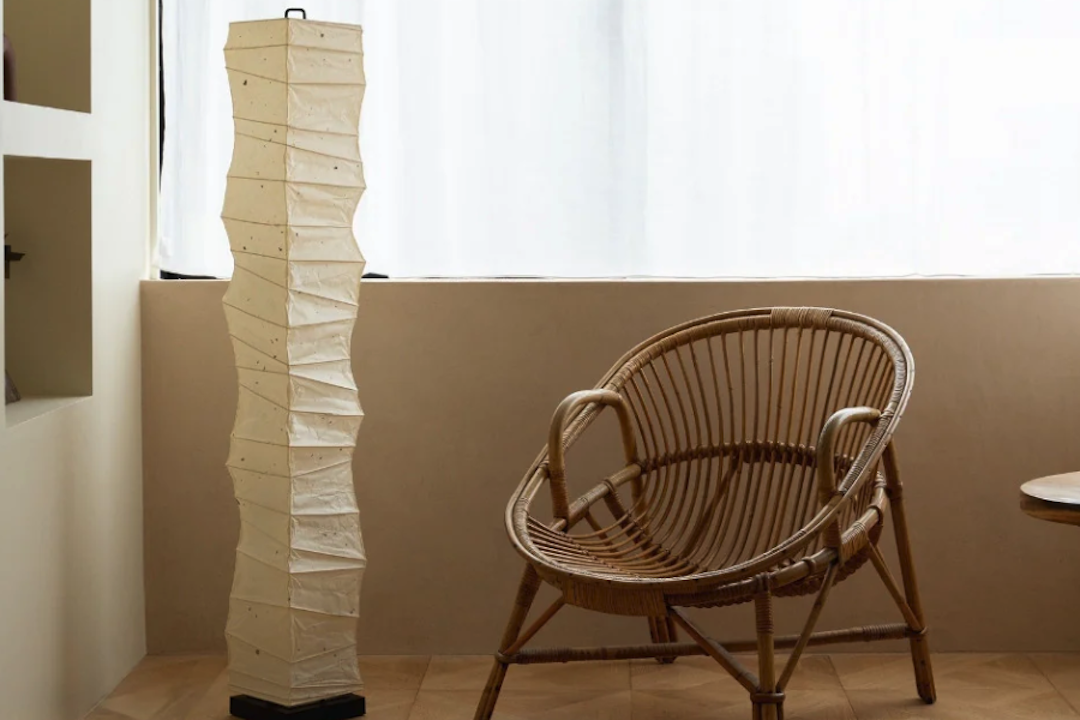
Thinking about bringing a bit of that serene, minimalist Japandi vibe into your home? You’re in luck! One of the simplest and most effective ways to do this is with pleated paper floor lamps. They’re not just about light; they’re a whole mood. Let’s dive into why these lamps are perfect for Japandi and how you can make them work for you.
Before we get to the lamps Revopin, a quick refresh on Japandi. It’s a beautiful blend of Japanese minimalism and Scandinavian functionality. Think clean lines, natural materials, a calming color palette, and a focus on craftsmanship and comfort. It’s about creating a space that feels uncluttered, peaceful, and lived-in, but in a very intentional way.
The Core Principles of Japandi
At its heart, Japandi embraces imperfection and sustainability. It’s about finding beauty in simplicity and creating harmony between nature and the indoors.
Finding Balance
The key is balance. It’s not stark like pure Japanese minimalism, nor is it overly cozy like some Scandinavian interiors. Japandi finds that sweet spot, offering warmth and personality without sacrificing clean aesthetics.
The Magic of Pleated Paper Floor Lamps in Japandi
So, why are pleated paper floor lamps such a perfect fit for this style? It boils down to their inherent qualities that align perfectly with Japandi’s ethos.
Soft, Diffused Light
This is probably the biggest win. Traditional lamps can sometimes cast harsh light. Pleated paper diffuses light beautifully, creating a gentle, ambient glow. This is crucial for that calm, inviting atmosphere Japandi strives for.
- Creating Ambiance: The soft light is great for winding down in the evening or for a relaxed reading corner.
- Reducing Glare: Say goodbye to eye strain. The diffused light is much more comfortable.
Natural Materials and Texture
Japanese design often features paper (think shoji screens), and Scandinavian design leans heavily on natural woods and fibers. Pleated paper lamps bridge this gap beautifully, bringing in that organic, tactile element.
- The Paper Itself: Often made from rice paper or a similar material, it has a subtle, pleasing texture.
- Accompanying Materials: Many lamps also incorporate wooden bases or frames, further enhancing the natural feel.
Minimalist Silhouette
The design of many pleated paper floor lamps is wonderfully simple. They often have a slender profile and a clean, unadorned shade. This fits right into the minimalist aspect of Japandi, without feeling stark or cold.
- Uncluttered Visuals: Their simple forms don’t add visual clutter to a room.
- Focus on Form: The lamp itself can become a subtle sculptural element.
Versatility and Placement
These lamps aren’t confined to one type of room or spot. They’re surprisingly versatile.
- Living Room Accent: Place one next to a sofa or armchair to create a cozy reading nook.
- Bedroom Serenity: Use a smaller one as a bedside lamp for gentle illumination.
- Entryway Welcome: A taller one can make a subtle statement in an entryway, setting a calming tone.
- Corner Brightener: They’re excellent for filling those slightly darker corners without overwhelming the space.
Choosing the Right Pleated Paper Floor Lamp
With so many options out there, how do you pick the one that best suits your Japandi vision? It’s all about paying attention to a few key details.
Size and Scale
The lamp shouldn’t overpower the room, nor should it get lost. Measure your space and consider the height of your furniture.
- Living Room Considerations: For a living room, you might want something that reaches the back of a sofa or slightly above.
- Small Space Solutions: In a smaller room or beside a chair, a more compact floor lamp might be ideal.
- Visual Weight: Think about the overall visual weight of the lamp. A slender base and shade will feel lighter than a bulky one.
Shade Design and Pleating
The pleating itself can vary, and this affects the overall look.
- Fine vs. Broad Pleats: Finer pleats can create a more delicate, layered look. Broader pleats might feel more robust.
- Shade Shape: Most are conical or cylindrical, but some can have gentle curves. The simplicity of the shape is usually key for Japandi.
- Color of the Paper: While classic is off-white or cream, some lamps feature slightly warmer or cooler tones. Consider your room’s existing color palette.
Base and Frame Materials
The bottom half of your lamp matters too.
- Wood: Natural wood, like light oak, beech, or bamboo, is a classic choice that screams Japandi. Look for smooth finishes, not overly processed.
- Metal: Matte black or brushed metal can also work, especially if they have a minimalist design. Avoid anything too shiny or ornate.
- Stone: Some lamps incorporate stone bases, adding a grounded, earthy feel.
Light Bulb Choice
This is a detail often overlooked, but it’s key to the mood.
- Warm White Bulbs: Opt for LED bulbs in a warm white color temperature (around 2700K-3000K). This creates that cozy, inviting glow.
- Avoid Bright White/Daylight Bulbs: These can feel too clinical and disrupt the tranquil atmosphere.
- Dimmable Options: If your lamp has a dimmer switch, you have even more control over the ambiance.
Integrating Pleated Paper Lamps with Other Japandi Elements
A lamp is just one piece of the puzzle. Here’s how to make it sing with the rest of your Japandi decor.
Natural Wood Furniture
Pair your lamp with furniture made from light or mid-toned woods. This reinforces the connection to nature inherent in Japandi.
- Table and Chair Pairings: A simple wood side table next to the lamp is a no-brainer.
- Sofa and Coffee Table Complement: Ensure the wood tones of your larger furniture pieces complement the lamp’s base.
Neutral Color Palette
Japandi favors muted, earthy tones. Your pleated paper lamp will naturally fit into this.
- Wall Colors: Think soft whites, greys, beiges, or even very pale blues or greens.
- Textiles: Cushions, throws, and rugs in similar neutral shades will enhance the cohesive feel.
- The Lamp as a Soft Anchor: The lamp’s light will warm up these neutral tones beautifully.
Plants and Greenery
Bringing the outdoors in is a fundamental Japandi practice.
- Placement: Place plants near your lamp to cast interesting shadows.
- Foliage Contrast: The soft, organic shape of a plant contrasts wonderfully with the geometric pleats of the lamp.
- Botanical Prints: If you’re not a green thumb, botanical art can achieve a similar effect.
Minimalist Art and Decor
Keep accessories to a minimum, focusing on quality over quantity.
- Ceramics: Handmade ceramic pieces with subtle glazes are ideal.
- Abstract Prints: Simple, abstract artwork in muted tones can complement the lamp.
- Functional Decor: Choose items that are both beautiful and serve a purpose.
Practical Tips for Maintenance and Longevity
These lamps are generally low-maintenance, but a little care goes a long way.
Cleaning the Shade
Paper can be delicate, so gentle cleaning is key.
- Dusting: Use a soft feather duster or a dry, lint-free cloth.
- Gentle Wiping: If there’s a light smudge, you can try very lightly dampening a cloth with water and wiping gently. Test on an inconspicuous area first.
- Avoid Harsh Chemicals: Never use cleaning sprays or solvents on the paper.
Base and Frame Care
Depending on the material, different approaches are needed.
- Wood: For wooden bases, use a wood cleaner designed for the specific finish or type of wood, following product instructions.
- Metal: A soft cloth is usually sufficient. For matte finishes, avoid abrasive materials that could scratch.
Bulb Replacement
This is standard, but still worth mentioning.
- Safety First: Always ensure the lamp is unplugged before changing the bulb.
- Wattage Limits: Check the lamp’s specifications for maximum wattage to avoid overheating the shade. This is especially important with paper shades.
- LED Recommendation: As mentioned, LEDs are your best friend for efficiency and lower heat output.
Beyond the Basics: Elevating Your Japandi Space
Once you’ve got your lamp, there are small touches that can really amplify the Japandi feel.
Layering Light Sources
While your floor lamp is a star, don’t rely on it alone. Combine it with other light sources for a more dynamic and functional space.
- Overhead Lighting: If you have a ceiling fixture, ensure it provides a warm, diffused light and consider using a dimmer.
- Task Lighting: A small, minimalist desk lamp on a side table can add functionality.
- Candles: For ultimate ambiance, a few unscented candles (placed safely, of course) can add a lovely flicker.
Incorporating Natural Textures
Think beyond wood and paper.
- Woven Baskets: Perfect for storage or as decorative elements, they add a rustic, natural touch.
- Linen or Cotton Textiles: Opt for natural fabrics for your cushions, throws, and curtains.
- Rattan Accents: A small rattan stool or a woven rug can introduce another layer of natural texture.
The Power of Negative Space
Japandi isn’t about filling every inch. Embracing empty space is as important as what you put in it.
- Visual Breathing Room: Allow your lamp to have some space around it, so it doesn’t feel crowded.
- Focus on Key Pieces: Let your lamp and a few other carefully chosen items be the stars, rather than having too many competing elements.
The “Wabi-Sabi” Touch
This Japanese aesthetic celebrates imperfection and transience.
- Embrace Imperfections: A slight crack in a ceramic pot, a gently worn wooden surface – these are seen as beautiful. Your paper lamp might acquire subtle creases over time; view them as part of its story.
- Natural Aging: Materials that age gracefully fit well with Japandi.
In conclusion, pleated paper floor lamps are more than just light fixtures; they are integral elements that embody the calm, natural, and functional essence of Japandi style. Their soft light, natural materials, and minimalist design make them an effortless addition to any home seeking that serene, balanced aesthetic. By thoughtfully choosing your lamp and integrating it with other Japandi principles, you can create a truly tranquil and inviting living space.