Thinking about boosting your garden’s charm without a lot of fuss or extra electricity bills? Solar crackle glass ball lights are a pretty neat way to do exactly that. They offer a gentle, ambient glow and a touch of visual interest, all powered by sunshine. Let’s dive into what these lights are, how they work, and how you can make them a great addition to your own outdoor area.
These aren’t your typical garden stakes with bright, harsh beams. Solar crackle glass ball lights are designed for subtle, decorative illumination Voilok. Their primary appeal lies in their unique aesthetic and their reliance on solar power for operation.
What Exactly Are They?
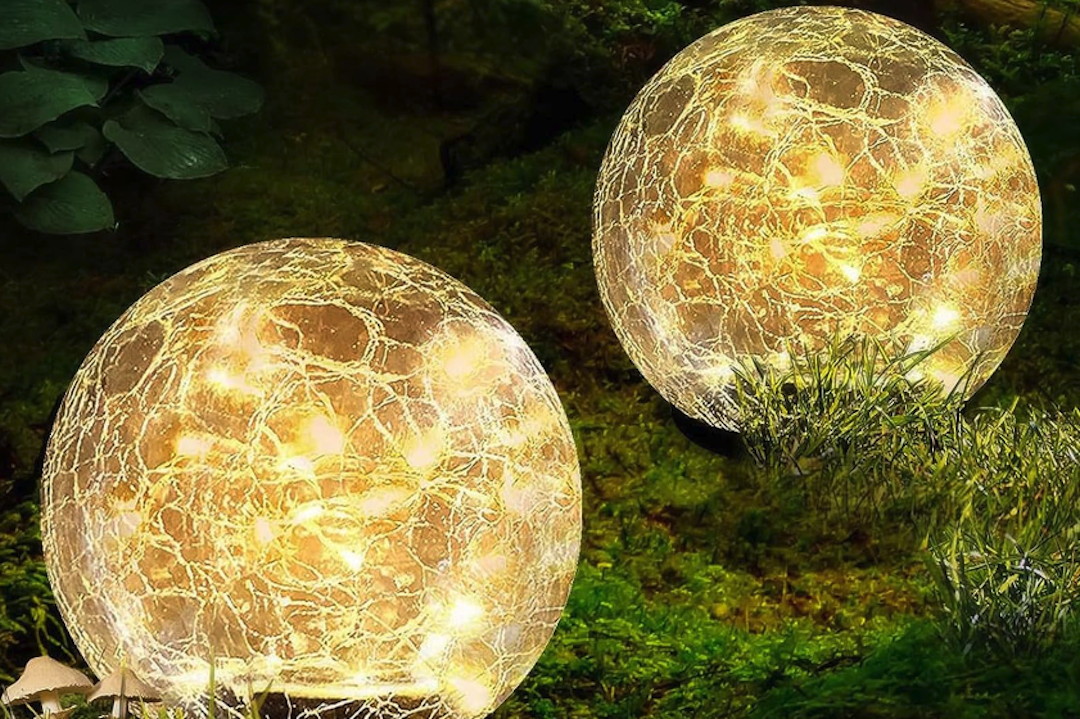
At their core, these are decorative glass spheres that contain a small solar panel, a battery, and an LED light. The “crackle” effect refers to the appearance of the glass itself, which is intentionally fractured or textured to create a unique translucent look. When the LED inside illuminates, it catches the light in interesting ways, creating a mosaic-like glow.
The Magic of Solar Power
The “solar” part is key. There’s a small solar panel, usually integrated into the top or cap of the ball. During the day, this panel absorbs sunlight, converting it into electrical energy that’s stored in a rechargeable battery. Once night falls, the sensor built into the light detects the darkness and automatically turns on the LED, powered by the stored solar energy. This means no wires, no electricity bills, and minimal effort on your part.
The “Crackle” Effect Explained
The textured glass is what gives these lights their distinctive character. This isn’t accidental damage; it’s a deliberate design choice. The small fissures and variations in the glass surface refract and scatter the light emitted by the LED, producing a soft, diffused, and often mesmerizing pattern of light and shadow. It adds a visual depth that a plain glass sphere wouldn’t achieve.
Where to Place Your Crackle Glass Balls
Placement is crucial for both the functionality of the solar charging and the aesthetic impact of the lights. Think about how the light will interact with its surroundings and where it can best catch the sun.
Maximizing Sunlight Exposure
The effectiveness of solar lights hinges on their ability to charge. You’ll want to position your crackle glass balls in areas that receive direct sunlight for a significant portion of the day, ideally at least six to eight hours.
Full Sun vs. Partial Shade
While some light is better than none, partial shade will significantly reduce charging efficiency, leading to shorter illumination times or dimmer lights. Avoid areas perpetually under dense tree canopies or shadowed by buildings.
Seasonal Sun Angles
Remember that the sun’s angle changes throughout the year. A spot that gets sun in summer might be shaded by deciduous trees in winter. Consider this when planning your long-term placement.
Creating Ambiance and Focal Points
These lights are inherently decorative. Use them to highlight specific features in your garden or to create a welcoming atmosphere.
Path and Pathway Lighting
Dotted along a garden path, these lights can provide gentle guidance and add a touch of magic to nighttime strolls. They offer enough light to see where you’re going without being overpowering.
Border and Bed Enhancements
Placing them at the edge of flower beds or along borders can draw the eye and define the edges of your landscape. They can make a planted area look more intentional and curated after dark.
Creating Illuminated Zones
Group several lights together to create a soft, glowing hub in a seating area or a quiet corner of your yard. This can make these spaces feel more intimate and inviting for evening use.
Integrating Crackle Glass Balls into Your Landscape Design
These lights are more than just functional objects; they’re design elements. Consider how they complement your existing garden style and how they can be used to enhance specific features.
Composing with Existing Features
Think about how the lights will look alongside your plants, garden furniture, or structural elements.
Pairing with Plants
Their gentle glow can accentuate the textures and shapes of plants. Imagine them nestled amongst hostas or near flowing ornamental grasses. The crackle effect can echo the natural patterns found in nature.
Enhancing Water Features
A few lights placed near a pond or a water feature can create beautiful reflections and add a serene quality to the scene. The diffused light can complement the gentle sound of water.
Working with Hardscaping
They can soften the edges of patios, decks, or stone pathways, creating a contrast between the solid materials and the ethereal light.
Creating Thematic Displays
If you have a particular garden theme, consider how these lights can contribute to it.
Fairy Garden Accents
Their whimsical appearance makes them a natural fit for fairy gardens, adding an element of enchantment and soft illumination.
Zen and Serene Gardens
In a more minimalist or Japanese-inspired garden, their subtle glow can contribute to a sense of calm and tranquility.
Rustic or Cottage Gardens
They can enhance the charm of a rustic setting, adding a gentle sparkle that feels both natural and inviting.
Practical Considerations for Use and Maintenance
While these lights are designed for low maintenance, a little attention can ensure they perform optimally and last longer.
Battery Lifespan and Replacement
The rechargeable batteries have a limited lifespan, generally lasting a few seasons. They’re often standard AA or AAA Ni-MH batteries, making replacement straightforward.
Signs of a Dying Battery
You’ll notice the lights dimming earlier or not turning on at all, even after a full day of sun. This usually indicates the battery can no longer hold a sufficient charge.
How to Replace Batteries
Typically, there’s a small compartment on the underside of the solar cap. Unscrew it, remove the old battery, and insert a new rechargeable one, noting the correct polarity.
Cleaning and Upkeep
Dust, dirt, and debris can accumulate on the solar panel, reducing its efficiency. Regular cleaning is beneficial.
Cleaning the Solar Panel
A soft, damp cloth is usually sufficient for wiping away dust and grime. For tougher spots, a mild soap and water solution can be used, followed by a rinse and thorough drying.
Keeping the Glass Clean
The glass itself can be wiped down with a damp cloth to remove fingerprints or water spots, ensuring the crackle effect remains clear. Avoid abrasive cleaners that could scratch the glass.
Durability and Weather Resistance
Most solar crackle glass ball lights are designed for outdoor use and have a degree of weather resistance. However, extreme conditions can affect them.
Protection from Harsh Weather
While many are designed to withstand rain and moderate temperatures, it’s wise to bring them indoors during severe storms, heavy frost, or prolonged periods of freezing temperatures to prevent damage.
Impact Resistance
Glass, even crackled glass, can be fragile. Be mindful of where you place them to avoid accidental breakage from lawnmowers, pets, or falling branches. Some lights come with protective sleeves or stakes for added stability.
Exploring Variations and Enhancements
The basic crackle glass ball light is versatile, but there are other options and ways to expand their use.
Different Sizes and Shapes
You’re not limited to just round balls. Crackle glass lights come in various sizes, from small accent orbs to larger statement pieces. You might also find them in other forms, like cylindrical shapes or even decorative animals with crackle glass elements.
Mini Orbs for Delicate Touches
Smaller versions are great for adding subtle highlights to fairy gardens or scattering amongst potted plants.
Larger Statement Pieces
A few larger balls can serve as more prominent focal points in a garden bed or on a patio.
Color Variations and Effects
While clear crackle glass is common, you can also find these lights with colored glass or LEDs that change color.
Amber and Warm White Tones
These offer a classic, soft glow that’s ideal for creating a cozy atmosphere.
Color-Changing LEDs
Some models feature LEDs that cycle through a spectrum of colors, adding a more dynamic and whimsical element to your display.
Integrated Functionality and Smart Features
While less common for this specific type of light, some solar garden lights are starting to incorporate more advanced features.
Timers and Remote Controls
A few higher-end models might offer basic timer functions or even remote controls for adjusting brightness or color (if applicable).
Dwell Time and Dusk-to-Dawn Sensors
Look for lights with good quality dusk-to-dawn sensors that ensure reliable illumination when it’s needed. Some might have adjustable dwell times, meaning they stay on for a set number of hours after dusk.
By understanding these aspects, you can better choose, place, and maintain solar crackle glass ball lights to truly enhance your outdoor living space. They offer a simple yet effective way to add charm and ambient light without complex installations or ongoing energy costs.