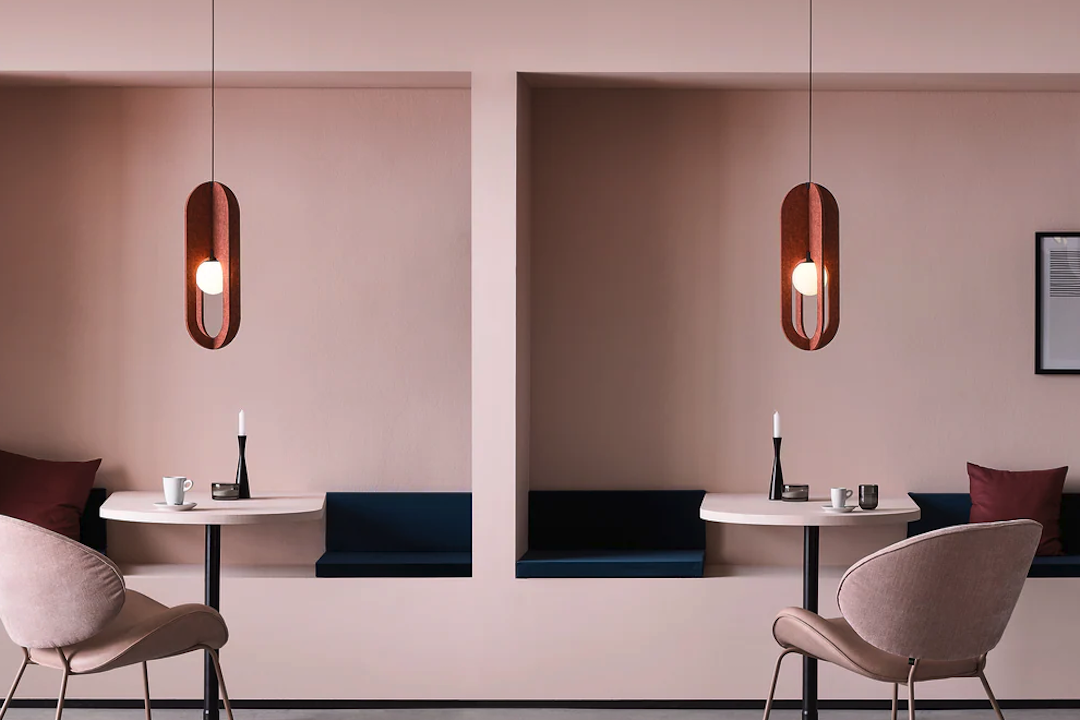
You’re probably wondering if a minimalist sound-absorbing pendant lamp can actually make a difference in your conference room. The short answer? Yes, absolutely. Beyond just looking sleek, these specialized lamps are designed to tackle two key issues: lighting and acoustics. They’re a practical, no-fuss solution for creating a more focused and comfortable meeting environment, especially in today’s open-plan office spaces where noise can easily creep in. Think of it as a smart way to improve your meeting room without a major overhaul.
Conference rooms are meant for conversation, collaboration, and concentration. However, many modern conference rooms, especially those built with lots of hard surfaces like glass, metal, and drywall, can suffer from excessive echo and reverberation. This is because sound waves bounce off these surfaces, making it harder to hear what’s being said, leading to frustration, misunderstandings, and a generally less productive meeting.
The Echo Chamber Effect
Ever been in a conference room where people talk over each other, or you have to constantly ask someone to repeat themselves? That’s the echo chamber effect in action. Sound waves bounce around the room, amplifying each other and creating a muddled soundscape. This is particularly problematic for presentations and discussions where clarity is paramount.
The Cost of Poor Acoustics
Beyond the annoyance, poor acoustics in a conference room can have tangible costs. It can lead to:
- Reduced Productivity: Meetings take longer because participants struggle to hear and understand each other.
- Increased Stress and Fatigue: Constantly straining to hear is tiring and can negatively impact mood and focus.
- Missed Information: Crucial details can be lost in the noise, leading to errors or rework.
- A Less Professional Impression: A noisy conference room can make your company seem less organized or considerate.
The Dual Role: Lighting and Sound Absorption
This is where the minimalist sound-absorbing pendant lamp Lovinolive shines, quite literally. It’s not just another pretty light fixture hanging overhead. Each element of its design is chosen to serve a purpose, primarily in two areas: providing functional light and taming unruly sound.
More Than Just a Pretty Glow
The lighting aspect is pretty straightforward, but it’s important to note its specific application in a conference room setting. The goal is typically to provide even, glare-free illumination that doesn’t distract from presentations or video calls.
Task Lighting Done Right
Conference room lighting needs to be functional. It should:
- Illuminate the table: Ensuring everyone can see notes, laptops, and each other clearly.
- Avoid glare on screens: Especially important for presenters using laptops or tablets.
- Create a comfortable atmosphere: Not too harsh, not too dim, fostering focus without being somber.
- Support video conferencing: Providing consistent light for camera feeds.
The “Sound-Absorbing” Secret Sauce
This is the key differentiator. These lamps incorporate materials and design elements specifically chosen to absorb sound waves. This isn’t about blocking sound (which would require much thicker, heavier materials), but rather about reducing its reflection.
How Sound Absorption Works
Think of sound waves like ripples on water. When they hit a hard, flat surface, they bounce off cleanly. When they hit a softer, porous material, they get caught and dissipated, much like ripples losing energy when they hit sand. The materials used in these lamps are designed to capture and dampen these sound waves, preventing them from echoing around the room.
Common Sound-Absorbing Materials
You’ll often find materials like:
- Acoustic felt: This is a popular choice due to its effectiveness, durability, and relatively lightweight nature.
- Recycled PET felt: An eco-friendly option that offers excellent sound absorption.
- Specialized acoustic foam: Though less common in minimalist designs due to aesthetic preferences, some variations exist.
- Fabric stretched over absorbent cores: This allows for a wide range of colors and textures while maintaining acoustic properties.
Minimalist Design: Function Meets Form
The “minimalist” aspect isn’t just an aesthetic trend; it’s a deliberate design choice that enhances the functionality of the lamp in a conference room setting. Fewer visual distractions mean more focus on the meeting itself.
Reducing Visual Clutter
In any shared workspace, especially conference rooms, keeping things clean and uncluttered is crucial for concentration. A minimalist pendant lamp contributes to this by:
- Being understated: It doesn’t demand attention with elaborate designs or excessive ornamentation.
- Integrating seamlessly: Its clean lines and simple form tend to blend well with various office decors.
- Occupying vertical space efficiently: Hanging from the ceiling, it leaves the floor and wall space clear, making the room feel more open.
The “Less is More” Philosophy
The guiding principle here is that a simpler design can often be more effective. In a conference room, where the focus should be on the people and the discussion, a distracting light fixture would defeat the purpose.
Material Choices That Matter
The materials used in minimalist designs are carefully selected not only for their acoustic properties but also for their visual appeal and durability.
Everyday Durability
Conference rooms see a lot of use. The materials need to withstand:
- Frequent cleaning: Surfaces should be easy to wipe down.
- Accidental bumps: While hanging, they should be robust enough to handle minor impacts.
- Color fading: Materials should retain their color over time, even with regular light exposure.
Aesthetic Cohesion
Minimalist designs often rely on a restricted color palette and refined textures. This helps maintain a calm and professional atmosphere.
Practical Considerations for Installation and Maintenance
Even the most brilliant solution needs to be practical to implement and maintain. When you’re looking at minimalist sound-absorbing pendant lamps, consider these points.
Easy Integration is Key
The last thing you want is a complicated installation process that disrupts your office. Look for lamps that:
- Are designed for straightforward wiring: Most pendant lights will require an electrician for installation, but some are designed with simpler connection points.
- Come with clear instructions: Even if you’re hiring an installer, good instructions can streamline the process.
- Are lightweight: This can make installation easier and safer, and also reduces stress on the ceiling structure.
The Case for Professional Installation
While some DIYers might be comfortable, for safety and electrical code compliance, it’s often best to have a qualified electrician install any ceiling-mounted lighting. They can also advise on the best placement for optimal lighting and acoustic coverage.
Keeping Them Looking and Working Great
Maintenance is usually straightforward with minimalist designs, but it’s good to be aware of what’s involved.
Cleaning Without Hassle
The surfaces of most minimalist pendant lamps are designed for easy cleaning. Think:
- Wipeable felt: A damp cloth is usually sufficient for most felt surfaces.
- Smooth finishes: For any metallic or painted components, a mild cleaner and soft cloth will do.
Longevity of Performance
The acoustic properties of the materials are generally long-lasting. However, extreme conditions or heavy soiling could potentially impact their effectiveness over many years.
Benefits Beyond the Obvious: Improved Focus and Professionalism
The impact of these lamps goes beyond just seeing and hearing better. They contribute to a more refined and effective conference room experience.
Boosting Meeting Effectiveness
When people can hear clearly and are not distracted by ambient noise or harsh lighting, meetings tend to run more smoothly and efficiently.
Reducing Interruptions and Repetitions
Clear audio means fewer “can you repeat that?” moments. This allows conversations to flow naturally and keeps discussions on track.
Enhancing Presentation Clarity
For those presenting, a well-lit room with good acoustics ensures their message is conveyed precisely, whether they are speaking or sharing visuals.
Creating a More Professional Environment
The subtle but significant improvements in acoustics and lighting can project a more polished image for your company.
A Quieter Impression
A calm, quiet conference room suggests a level of professionalism and consideration that visitors will notice. It communicates that you value focused discussion and a productive environment.
Understated Elegance
The minimalist aesthetic itself contributes to a sense of modern, uncluttered sophistication. It shows attention to detail in creating a functional yet aesthetically pleasing space.
Making the Decision: What to Look For
When you’re ready to invest in a minimalist sound-absorbing pendant lamp for your conference room, here’s a checklist of things to consider to ensure you get the best fit for your needs.
Your Specific Room Needs
Before even looking at lamps, take a moment to assess your conference room.
Room Size and Shape
- Dimensions: How large is the space? This will influence the size and number of lamps you might need.
- Ceiling Height: This affects the hanging length of the pendant.
- Existing Acoustic Issues: Are the walls hard and reflective? Is there a lot of background noise from outside the room?
Lighting Requirements
- Natural Light: How much natural light does the room get? This might affect how much artificial light you need.
- Primary Use: Is it mainly for presentations, brainstorming, or video calls? This can dictate the type of light needed (e.g., even illumination vs. focused spotlighting).
Lamp Features to Prioritize
Once you know your room’s needs, you can start evaluating lamps.
Acoustic Performance Ratings
Look for products that provide objective data on their sound absorption capabilities (e.g., NRC ratings). Higher ratings mean better sound absorption.
Lighting Specifications
- Lumens: This indicates the brightness of the light.
- Color Temperature (Kelvin): For conference rooms, a neutral or slightly warm white (around 3000K-4000K) is often preferred for a balanced and comfortable feel.
- Color Rendering Index (CRI): A higher CRI (80+) means colors will appear more true-to-life, which is important for presentations.
Design and Build Quality
- Materials: As discussed, check for durable, effective acoustic materials and a quality finish on any structural components.
- Dimensions and Hanging Mechanism: Ensure the lamp’s size and adjustability will suit your ceiling height and aesthetic.
- Ease of Installation and Maintenance: Confirm the manufacturer’s commitment to user-friendly design in these areas.
By prioritizing these practical aspects, you can confidently select a minimalist sound-absorbing pendant lamp that not only looks good but actively contributes to a more productive and enjoyable conference room experience.