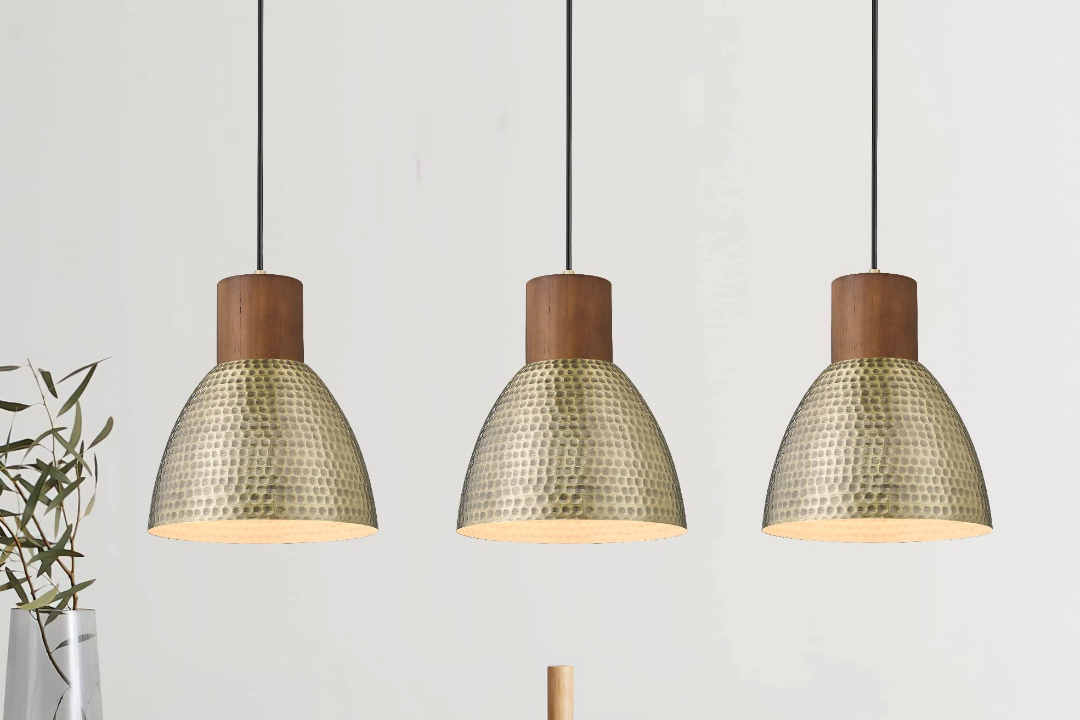
Let’s talk about adding a touch of personality to your kitchen with a hammered metal pendant light over the island. Think of it as jewelry for your kitchen – it can totally change the vibe. These lights are popular because they bring warmth, texture, and a touch of handcrafted charm to a space that’s often the hub of the home.
Why Hammered Metal Pendants Rock for Kitchen Islands
If you’re looking to elevate your kitchen island, especially with a hammered metal pendant light Famtools, you’re onto something good. These fixtures aren’t just about illumination; they’re statement pieces. They bring a unique character that’s hard to achieve with more uniform materials. The hammered texture catches and reflects light in a way that creates a dynamic and inviting atmosphere, making your kitchen island feel less like just a workspace and more like a focal point.
The practicality is there too. They offer focused light, perfect for prepping meals or gathering with friends. Plus, the durability of metal means they’re built to last and easy enough to clean, which is a big plus in a busy kitchen environment. So, yes, a hammered metal pendant can be a fantastic choice for your kitchen island.
The Aesthetic Appeal: More Than Just Shine
When we talk about hammered metal pendant lights, we’re really talking about bringing an artisanal feel into your kitchen. It’s the subtle imperfections, the way light plays off the uneven surface, that makes them so appealing. These aren’t mass-produced in a sterile factory; they carry the echo of the maker’s hand. This adds a layer of authenticity and warmth that can really ground a kitchen design.
Bringing in Texture and Depth
One of the biggest draws of hammered metal is the texture. Unlike smooth, polished surfaces, the hammered finish creates a visual and tactile interest. It’s like running your hand over a beautifully crafted piece of pottery – you feel the slight variations and enjoy the unique character.
The Play of Light and Shadow
The irregular surface of hammered metal does something magical with light. Instead of a harsh, uniform beam, the light bounces and reflects off the various facets created by the hammering. This results in softer shadows and a more nuanced glow, which can be incredibly flattering and create a cozy ambiance, even over a functional workspace.
A Touch of Handcrafted Charm
Even in modern kitchens, there’s often a desire for elements that feel personal and unique. Hammered metal pendants offer just that. They suggest a story, a craft, and a piece that’s been made with care. This can be a welcome contrast to the sleekness of countertops or cabinetry.
Versatility in Style Application
Don’t let “hammered metal” pigeonhole you into one specific style. While they often lean towards certain aesthetics, their adaptability is surprising. You can make them work in a variety of kitchen designs.
Industrial Chic
This is a natural fit. The raw, often dark metal finish of hammered pendants plays perfectly with exposed brick, concrete floors, and raw wood elements. Think about a brushed nickel, oil-rubbed bronze, or even a matte black hammered pendant over your island in an industrial kitchen. It adds that gritty, authentic feel without being overly rough.
Modern Farmhouse
The “farmhouse” part can be covered by the warmth and texture, while the “modern” comes from the clean lines of the island and other cabinetry. A hammered brass or copper pendant can bring a touch of rustic elegance to a modern farmhouse kitchen, softening the overall look. It’s a way to introduce a vintage feel without making the space feel dated.
Eclectic and Bohemian
If your kitchen is more about personality and a curated mix of elements, a hammered metal pendant can be a fantastic anchor. It adds a unique focal point that can tie together various textures and colors. Consider a hammered copper or patinaed finish for a truly bohemian vibe, especially if you have wooden accents or vibrant tiles.
Transitional Elegance
Even in more traditionally elegant kitchens, a carefully chosen hammered metal pendant can add a subtle point of interest. Opt for a more refined finish like polished brass or brushed stainless steel. The subtle hammering provides a touch of individuality without disrupting the overall sophisticated aesthetic. It’s about adding a whisper of character, not a shout.
Material Matters: Choosing Your Metal
The type of metal you choose for your hammered pendant light will significantly impact its look, feel, and how it ages. Each metal has its own personality and practical considerations.
Popular Metal Choices and Their Characteristics
Brass (Solid and Plated)
Brass is a classic choice, and for good reason. Solid brass is durable and develops a beautiful patina over time, deepening its color and adding character. Plated brass offers a similar look at a potentially lower price point, but the plating can eventually wear down, revealing the base metal underneath.
- Look: Warm, rich, often associated with tradition and luxury.
- Patina: Develops a unique aged look that many find desirable.
- Maintenance: Solid brass is low maintenance; plated brass requires gentler cleaning to preserve the finish.
- Best For: Creating a warm, inviting, and somewhat traditional atmosphere. Can also work in modern contexts for a touch of curated luxury.
Copper
Copper brings a distinct warmth and vibrancy. It’s known for its incredible ability to develop an oxidizing patina, ranging from rich browns to deep greens, depending on the environment. This makes each copper piece truly unique.
- Look: Warm, earthy, with a reddish-orange hue that can deepen with age.
- Patina: Develops a significant and often beautiful patina, changing over time.
- Maintenance: Can be cleaned to maintain its original shine, or left to develop its natural patina.
- Best For: Adding a rustic, bohemian, or Southwestern flair. Also works well in farmhouse and eclectic styles.
Steel (Stainless and Brushed)
Stainless steel offers a modern and clean aesthetic, known for its durability and resistance to corrosion. Brushed steel has a matte finish that is less reflective than polished steel, which can be advantageous in kitchens where glare can be an issue.
- Look: Modern, sleek, and industrial. Brushed steel offers a softer, more matte sheen.
- Durability: Very strong and resistant to rust and stains.
- Maintenance: Relatively easy to clean and maintain.
- Best For: Contemporary, industrial, and minimalist kitchens. Brushed steel can also soften the look of more modern designs.
Bronze (Oil-Rubbed)
Oil-rubbed bronze is often a dark, almost black finish with undertones of deep brown. It’s achieved through a process that darkens the metal and then rubs it with oil to create a rich, antique look.
- Look: Dark, moody, and antique. It has an inherent warmth despite its dark color.
- Finish: Often has subtle variations and highlights, enhancing the hammered texture.
- Maintenance: Generally forgiving and easy to care for.
- Best For: Traditional, farmhouse, and industrial styles. It’s a classic choice for adding a touch of timeless elegance.
Aluminum
Aluminum can be a lighter-weight and more affordable option. It can be finished in various ways to mimic other metals or have its own unique appeal, like a painted or anodized finish.
- Look: Can vary greatly depending on the finish. Often lighter in weight.
- Durability: Good, but may not be as robust as solid brass or steel in the long run for high-impact areas.
- Maintenance: Generally easy to clean.
- Best For: Budget-conscious choices or when a specific colored metallic finish is desired.
The Impact of Finish on the Hammered Effect
Beyond the base metal, the finish applied over it is crucial. A polished finish will make the hammered marks gleam, while a matte or brushed finish will soften them.
- Polished: Enhances the reflectivity of the hammered marks, creating a more glamorous and bright effect.
- Brushed/Matte: Mutes the reflectivity, emphasizing the texture and creating a more subdued, artisanal look.
- Patinaed/Antiqued: Intentionally developed or enhanced aging, adding depth and historical character.
Sizing and Scale: Finding the Right Fit for Your Island
Getting the size right is key to ensuring your hammered metal pendant doesn’t overwhelm or get lost above your kitchen island. It’s not just about aesthetics; it’s about functionality too.
Determining Appropriate Pendant Size
There are a few general guidelines to follow when choosing the diameter of your pendant.
- Rule of Thumb: For a standard-sized kitchen island (around 6-8 feet long), two or three pendants of a similar size are often ideal. The total width of the pendants (lined up) shouldn’t exceed two-thirds to three-quarters of the island’s length.
- Single Pendant: If you have a smaller island or prefer a bold statement, a single, larger pendant might work. Ensure it’s substantial enough to be a focal point without feeling out of place.
- Island Width: Consider the width of your island as well. A pendant that’s too wide might interfere with comfortable seating or movement around the island. Aim for at least 30 inches of clearance between pendants and any seating.
Pendant Diameter vs. Island Length
- Islands up to 5 feet: Consider pendants around 8-12 inches in diameter.
- Islands 5-7 feet: Pendants in the 10-14 inch range often work well.
- Islands 7+ feet: You can go with larger pendants, 14 inches or more, or use multiple medium-sized ones.
Spacing Between Pendants
When using multiple pendants, the spacing is just as important as the size of the individual fixtures.
- Even Distribution: Spacing should be even. A common suggestion is to allow for about 24-30 inches between the centers of adjacent pendants. This ensures each pendant illuminates a good portion of the island without significant overlap or large dark gaps.
- Visual Balance: Imagine the island divided into thirds. If you’re using three pendants, one would roughly center over each third. For two pendants, they would often be placed about a foot in from each end of the island.
- Consider Obstructions: Think about where people will be sitting. You don’t want a pendant directly in someone’s eye line when they’re seated.
Calculating Spacing for Two Pendants
If your island is 6 feet (72 inches) long and you want two pendants:
- Measure your pendants. Let’s say they are 10 inches in diameter each.
- A good starting point is to place them about 12-18 inches in from each end of the island. This leaves roughly 36-48 inches between the two pendants.
- Ensure there’s enough clearance for seating – no one wants to bump their head.
Calculating Spacing for Three Pendants
For a 7-foot (84 inch) island and three 12-inch pendants:
- Divide the island length into sections based on the number of pendants. For three, you’d aim for roughly three equal zones.
- You might place the center of the first pendant about 12-15 inches from one end.
- The next pendant would be centered roughly 30-36 inches from the first.
- The third pendant would be 12-15 inches from the other end. This gives you good coverage and visual balance.
Pendant Height: The Golden Rule of Illumination
The height at which you hang your pendant significantly impacts both its usability and its visual appeal.
- Workspace Height: For kitchen islands used for food preparation, the bottom of the pendant should ideally be about 30-36 inches above the countertop. This provides ample light for tasks without being too low to obstruct views or feel intrusive.
- Seating Clearance: If people will be sitting at the island, ensure there’s at least 60 inches from the floor to the bottom of the pendant. This is roughly 7 feet, allowing comfortable head clearance for most adults.
- Visual Balance: The height also affects the overall perceived scale of the light fixture. A pendant hung too high can feel disconnected; one hung too low can make the space feel cramped.
Ensuring Adequate Task Lighting
For cooking and prepping, the light needs to be directed downwards effectively. Hanging the pendant at the correct height ensures that the most intense part of the light beam falls directly onto the work surface of your island. If the pendant is too high, the light can spread out too much, diminishing its effectiveness for detailed tasks.
Avoiding Head Bumps and Visual Obstructions
This is a practical consideration that often gets overlooked until someone walks into a light fixture. When people are seated at the island, they need to be able to comfortably look across the island and engage with others without a pendant hanging in their face. The 60-inch rule from the floor is a good safety and comfort measure.
Installation and Maintenance: Keeping Your Pendant Shining
Once you’ve chosen your perfect hammered metal pendant, the next steps involve getting it installed and keeping it looking its best. While professional installation is often recommended, especially for electrical work, understanding the basics can be helpful.
Professional Installation vs. DIY
- Professional Installation: For most people, hiring an electrician is the safest and most straightforward option. They have the tools, knowledge, and experience to correctly wire the fixture, ensure it’s securely mounted, and adhere to all safety codes. This is especially important if you’re adding new wiring or replacing an existing fixture that’s not compatible.
- DIY Installation: If you have experience with electrical work and are comfortable with the process, DIY installation can save on costs. However, it’s crucial to thoroughly read the manufacturer’s instructions, understand your home’s wiring, and ensure you’re working with the main power shut off. Always prioritize safety.
Understanding Your Existing Wiring
Before you buy a new pendant, check the existing electrical box. Is it rated to support the weight of your new fixture? Does it have the correct wiring for the type of switch you intend to use (e.g., a dimmer)?
Safety First with Electrical Work
Never, ever work on electrical wiring without first shutting off the power to that circuit at your main breaker box. Test the wires with a voltage tester to confirm the power is off before touching them. If you have any doubt, call a professional.
Cleaning and Caring for Hammered Metal
The good news is that most hammered metal pendant lights are relatively easy to maintain. The specific cleaning method will depend on the metal and its finish.
Routine Cleaning
- Dusting: Regular dusting with a soft, dry microfiber cloth is the best way to keep your pendant looking clean and prevent dust buildup.
- Wiping: For smudges or light grime, dampen a cloth with water or a mild soap solution (like a tiny drop of dish soap in warm water). Wring out the cloth thoroughly so it’s just damp, not wet, and wipe down the fixture. Follow up immediately with a dry cloth to prevent water spots.
Dealing with Patina and Tarnishing
If your pendant is made of brass or copper and you want to maintain its polished shine, you’ll need to address tarnish.
- Brass Cleaner: For brass, use a dedicated brass polish following the product instructions. This usually involves applying the polish with a soft cloth, rubbing gently, and then buffing to a shine.
- Copper Cleaner: Similar to brass, copper cleaners are available. Alternatively, a paste made from lemon juice and baking soda can be effective, but use it sparingly and test in an inconspicuous area first. Always rinse thoroughly and dry immediately.
For Powder-Coated or Painted Finishes
If your hammered metal pendant has a powder-coated or painted finish (common for black, white, or colored options), avoid abrasive cleaners or harsh chemicals, as these can damage the coating. Stick to mild soap and water and a soft cloth.
When to Embrace the Patina
For some metals like brass and copper, the natural patina that develops over time is part of their charm and beauty. If you’ve chosen a fixture with one of these metals and appreciate its evolving character, you might decide to let it age naturally, only cleaning off any significant dust or grime. This is a stylistic choice and depends entirely on your desired aesthetic.
Making a Statement: Beyond Just Lighting
A hammered metal pendant light over your kitchen island is more than just a source of light; it’s a deliberate design choice that contributes significantly to the overall personality of your kitchen. It’s an opportunity to inject character and a curated feel into a busy, functional space.
Anchoring Your Kitchen Island
Think of your kitchen island as the stage, and the pendant light as the spotlight. A well-chosen hammered metal pendant can beautifully anchor the island, drawing the eye and making it the undisputed focal point of the room. The texture and form of the light itself add visual weight and character, stopping the island from feeling like just a functional surface.
Creating a Visual Centerpiece
The interplay of light and shadow created by the hammered texture means the pendant is constantly doing something visually. Even when not fully illuminated, its sculptural form adds interest. This makes it a dynamic centerpiece that evolves throughout the day and night.
Defining the Island’s Purpose
The style of the pendant can also subtly reinforce the intended use of the island. A more robust, industrial-style hammered metal pendant might suggest a kitchen built for serious cooking and entertaining, while a more delicate hammered brass could lean towards a setting for intimate gatherings and conversation.
Complementing Your Kitchen’s Palette and Materials
Hammered metal pendants are surprisingly adaptable and can be used to enhance various kitchen styles and material combinations.
- Wood Tones: The warm tones of hammered brass or copper beautifully complement natural wood cabinetry or butcher block countertops, creating a cozy and inviting atmosphere.
- Stone and Marble: The metallic glint of a hammered pendant can provide a striking contrast to the cool, smooth surfaces of granite or marble countertops, adding a touch of sophistication.
- Color: A darker hammered metal finish, like oil-rubbed bronze or matte black, can ground a kitchen with lighter walls or colorful accents, while a polished brass can add sparkle to a more subdued palette.
Balancing Sleekness with Warmth
Many modern kitchens feature sleek surfaces like stainless steel appliances, quartz countertops, and minimalist cabinetry. A hammered metal pendant can introduce a crucial element of warmth and organic texture, preventing the space from feeling too cold or sterile. It’s this blend of modern design with artisanal touches that often creates the most successful kitchens.
The Power of Contrast
Don’t shy away from using hammered metal to create deliberate contrast. A dark, industrial-style hammered pendant against crisp white subway tile, or a warm copper pendant against cool grey cabinetry, can create visually compelling and memorable design moments. It’s about using the texture and form of the light to add depth and interest.
By considering these aspects – from the aesthetic appeal and material choices to the practicalities of sizing and installation – you can select a hammered metal pendant light that not only illuminates your kitchen island but also transforms it into a truly captivating heart of your home.